Best time to visit Casablanca Valley: weather, wine harvest and winery tours by month
When to visit Chile's Casablanca Valley: monthly weather, when the grape harvest happens, the April harvest festival and which winery tours suit each season.
The best months to visit Casablanca Valley are March, April, October and November. March and April bring the grape harvest, which usually runs from mid-March into April, and the Fiesta de la Vendimia, held on April 11 and 12 in 2026. October and November give you green spring vineyards and comfortable weather for walking. December to February suit sunny vineyard lunches, and June to August are quieter and wetter, but the wineries still pour.
Whatever the month, a guided day from Santiago saves you driving after the tastings. The Four Casablanca Wineries tour visits Emiliana, Bodegas RE and Casa del Molle with a lunch stop at Tanino, paid separately, over 10 hours from $139 per person, rated 4.8 from 671 Viator reviews. Dates fill fastest in summer and at harvest, so check yours early.
Check Availability
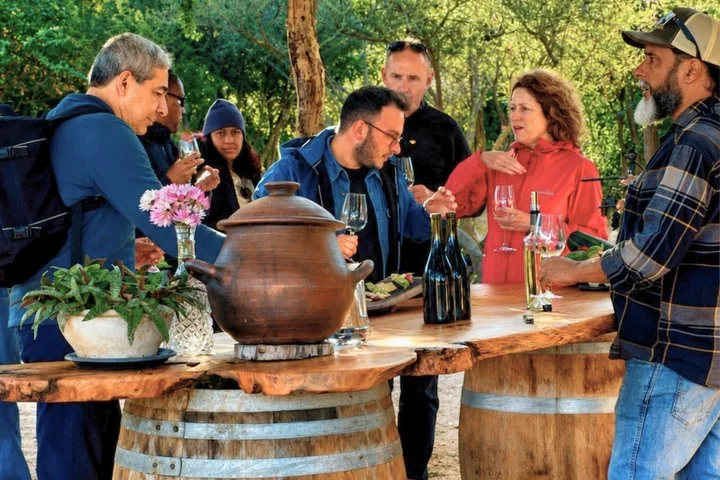
Four Casablanca Wineries: Emiliana, Bodegas RE, Casa del Molle, Tanino
- 4.8/5 (671 reviews)
- 10 hours
- Free cancellation
- Operated by Go2Chile Travel
Includes Admission at Emiliana Organic Vineyards · Admission at Bodegas RE · Admission at Casa del Molle
You'll choose your date and complete the booking on Viator. Free cancellation up to 24 hours before departure.
Casablanca Valley seasons at a glance
Casablanca Valley is a cool-climate wine region about an hour west of Santiago. There is no bad season to visit, but the timing changes the day: harvest in March and April, spring vineyards in October and November, long lunches in summer.
- Best overall months: March, April, October and November
- Grape harvest: usually mid-March to late April, into early May in cool years
- Sunny winery lunches: December to March
- Green spring vineyards: October and November
- Quietest season: June to August
- Warmest month: January, average high about 24°C (75°F)
- Coolest month: July, average high about 14°C (57°F)
- Wettest month: June
- 2026 harvest festival: April 11–12, Casablanca Municipal Stadium
- 2027 festival: dates not yet published on the official site as of November 1, 2026
The temperature and rain figures are modeled averages from Climate-Data.org (see the weather table below).
When is the best time to visit Casablanca Valley?
March and April are the most interesting months for wine lovers. October and November suit travelers who want pleasant sightseeing weather and vineyard scenery.
For a classic winery day with tastings, gardens and a long lunch, October through April is the most rewarding stretch.
Casablanca sits between Santiago and the Pacific coast. Its cool maritime climate is one reason the valley makes such good Sauvignon Blanc, Chardonnay and Pinot Noir: morning fog, sea breezes and moderate temperatures let the grapes ripen slowly and keep their acidity and aroma.
The same climate shapes your visit. Summer afternoons are usually sunny without the inland heat of much of central Chile. Mornings can feel surprisingly cool, and the valley looks greenest during the growing season. In autumn the vines turn warmer colors and the wineries switch to harvest. Winter brings rain, bare vines and quieter tasting rooms, which can make for a more personal visit.
Best time by travel style
| Your priority | Best months | Why |
|---|---|---|
| Best overall winery experience | March–April, October–November | Good balance of scenery, weather and seasonal interest |
| See the wine harvest | Mid-March to April | Picking and winemaking under way |
| Wine festivals | April; check the year’s dates | The Fiesta de la Vendimia was April 11–12 in 2026 |
| Outdoor winery lunches | December–March | Warm, mostly dry weather |
| Vineyard photography | November–March | Green vines and long daylight |
| Romantic wine-country day | November–April | Outdoor dining and scenic settings |
| Fewer visitors | May–August | Quieter months outside summer travel |
| Tastings on a budget | Winter or weekdays | Often easier availability, though discounts aren’t guaranteed |
| Wineries plus Valparaíso | October–April | Good conditions for both |
| Learn how wine is made | Harvest, or cellar tours year-round | Harvest adds picking and production |
If you are traveling specifically for wine, choose March or April. If Casablanca is one stop on a longer Chile trip, October or November work just as well.
Other Experiences
Other experiences you might enjoy
More Casablanca Valley wine tours, each with its own page and booking link.

Casablanca Valley weather by month
Casablanca Valley has a Mediterranean-type climate moderated by the Pacific. Summers are dry, and most rain falls in the Southern Hemisphere winter. The valley can feel cooler than Santiago because of the ocean air, especially on foggy mornings and breezy afternoons.
The table below is for Casablanca, Chile, not Casablanca in Morocco.
Average monthly weather in Casablanca Valley
| Month | Average high | Average low | Average rainfall | Conditions |
|---|---|---|---|---|
| January | 24°C / 75°F | 14°C / 57°F | 0 mm | Warm, very dry |
| February | 24°C / 74°F | 14°C / 56°F | 1 mm | Sunny, dry |
| March | 23°C / 73°F | 12°C / 54°F | 5 mm | Warm, harvest |
| April | 20°C / 68°F | 10°C / 49°F | 17 mm | Mild, autumn |
| May | 17°C / 63°F | 8°C / 46°F | 57 mm | Cooler, wetter |
| June | 15°C / 59°F | 6°C / 42°F | 108 mm | Coolest, wettest stretch |
| July | 14°C / 57°F | 5°C / 40°F | 65 mm | Cool, winter |
| August | 15°C / 59°F | 5°C / 42°F | 57 mm | Cool, changeable |
| September | 16°C / 61°F | 7°C / 44°F | 29 mm | Early spring |
| October | 19°C / 65°F | 8°C / 47°F | 15 mm | Mild, greener vineyards |
| November | 21°C / 70°F | 10°C / 51°F | 3 mm | Pleasant spring |
| December | 23°C / 73°F | 12°C / 54°F | 3 mm | Warm, mostly dry |
Figures are rounded modeled averages for Casablanca, Chile, from Climate-Data.org (1991–2021 reference period). They are model estimates, not station readings, so treat them as a guide to the pattern, not as forecasts for any winery.
What these temperatures mean for your visit
An average summer high of 23 to 24°C (73 to 75°F) is comfortable for walking the vineyards. Some days are much warmer, though, and an open terrace can feel hot in direct sun.
Winter days are mild compared with many northern European wine regions, but mornings, shaded cellars and windy vineyards can feel cold.
Rain matters more than cold in winter. June averages about 108 mm, against almost nothing in January. For outdoor tastings and vineyard walks, summer and spring are the safer bets. For cellar visits, tastings and restaurant lunches, winter still works.
Casablanca Valley month by month
What you are likely to see each month, how the wineries run and what to book.
January: sunny days and green vineyards
Suits: outdoor tastings, vineyard restaurants and summer holidays.
January is usually the warmest and driest month in the valley. The vines are growing fast, and the countryside makes a beautiful setting for winery visits. Book a restaurant table overlooking the vines, at an estate such as Casas del Bosque. Sauvignon Blanc and Chardonnay taste especially fresh on a warm afternoon.
Advantages: long days, very little rain and pleasant outdoor conditions.
Drawbacks: summer holidays raise demand at popular wineries and restaurants.
What to book: a two-winery tour with lunch, an outdoor tasting or a premium food-and-wine pairing.
What to wear: light clothes, sunscreen, sunglasses, comfortable shoes and a layer for the breeze.
February: late summer, before the harvest
Suits: sunny vineyard visits and travelers curious about the growing season.
February stays warm and dry. Depending on the year, the grape and the vineyard, a few producers may start picking at the very end of the month, often grapes for sparkling wine, which are picked earlier than grapes for still wines. Do not expect to see picking on a February tour.
It is still a good time to learn how grapes ripen and how winemakers decide when to pick.
Advantages: good weather for outdoor visits and attractive vineyards.
Drawbacks: warm afternoons and continuing summer demand.
What to book: vineyard walks, guided tastings and restaurant lunches.
Planning tip: ask the winery whether any pre-harvest work is open to visitors.
March: one of the best months for wine lovers
Suits: harvest activity, winemaking and good touring weather.
If I could recommend only one month to someone passionate about wine, March would be a strong contender. The summer heat eases, the vineyards still look good, and picking usually gets going from mid-month. In its 2025 report, VSPT Wine Group recorded the Casablanca Chardonnay harvest starting on March 12, Pinot Noir on March 15 and Sauvignon Blanc on March 22.
At some estates you may see picking, grapes arriving at the winery or other harvest work. You can connect what is in your glass with what is happening in the vineyard, and a guide can explain how ripeness is measured, why some grapes are picked before others and how the weather shapes the wine.
Advantages: warm, comfortable days, harvest activity and beautiful vineyards.
Drawbacks: harvest work can make parts of a winery busy or off-limits.
What to book: a guided vineyard tour with a producer that offers harvest visits.
Planning tip: if you want to see grapes being picked, ask about the actual harvest schedule for your dates; the calendar alone won’t tell you.
April: harvest celebrations and autumn wine country
Suits: the harvest festival, autumn scenery and seasonal visits.
April is another excellent month. It is cooler, the vineyards start to change color, and the valley celebrates the harvest. Some wineries are still picking or processing grapes, depending on the year.
Casablanca’s harvest festival, the Fiesta de la Vendimia, takes place in April. In 2026 it ran on April 11 and 12.
Advantages: seasonal atmosphere, pleasant temperatures and wine celebrations.
Drawbacks: the festival draws crowds, and popular winery visits can sell out.
What to book: winery tastings, harvest experiences and a full-day tour with time for the festival.
Planning tip: confirm the festival dates before booking flights or accommodation. The harvest and the public celebration are separate things.
May: quieter wineries as the cool season starts
Suits: visitors who prefer a quieter atmosphere.
By May the main harvest is usually over, though the last Pinot Noir can come in at the start of the month in cool years. In 2021, Casas del Bosque’s harvest ran from March 31 to early May. The vines head toward dormancy, and the leaves turn yellow, orange and brown before falling. It gets noticeably cooler, and rain comes more often.
This month suits visitors who prefer tastings and wine talk to outdoor vineyard activities.
Advantages: fewer visitors and a slower pace.
Drawbacks: shorter days and less reliable weather.
What to book: a guided cellar tasting, a boutique winery visit or a restaurant-led day.
Planning tip: check winery schedules carefully, especially at smaller estates.
June: winter arrives
Suits: indoor tastings and relaxed food-and-wine visits.
June is usually the wettest month in Casablanca. The vines are mostly dormant, and rain or mud can disrupt outdoor visits. Work in the cellar carries on, though: maturation, blending and bottling continue on each producer’s own schedule. A winery tour can be interesting even when the vineyard looks quiet.
Advantages: quieter wine country and the chance of a more personal visit.
Drawbacks: rain, cool days and limited outdoor comfort.
What to book: an indoor cellar tour or a winery with a restaurant and sheltered spaces.
Planning tip: choose a tour with transport included, and ask what happens if outdoor parts are canceled.
July: the quietest month in wine country
Suits: travelers who value peaceful tastings over vineyard views.
July is usually the coolest month. The vines are dormant, and vineyard teams may be pruning. Pruning controls how the vines grow and how much fruit they carry next season. Instead of green rows, you see the woody frame of the vines, which is surprisingly interesting if you are curious about viticulture.
Advantages: quiet tasting rooms and time for detailed questions.
Drawbacks: cold mornings, rain and less photogenic vineyards.
What to book: educational winery tours and premium indoor tastings.
Planning tip: check road conditions and leave slack in your plans for wet weather.
August: late winter, getting ready for spring
Suits: wine enthusiasts curious about vineyard management.
August is still cool, with pruning and vineyard maintenance under way. Toward the end of the month, producers get ready for new growth as temperatures rise. Wine tourism continues, with fewer seasonal activities than in summer.
Advantages: a peaceful atmosphere and a look at vineyard preparation.
Drawbacks: unpredictable weather and little outdoor dining.
What to book: guided winery visits with indoor tasting rooms.
Planning tip: if you are visiting several estates, book a tour with transport instead of arranging separate taxis.
September: the first signs of spring
Suits: travelers who like mild weather and quieter sightseeing.
September is the start of spring in Chile. The vines slowly come back to life, though budbreak varies with the site and the grape. It can still feel cool, especially in the morning. Chile’s national holidays around September 18 change opening hours and push up travel demand; Kingston, for example, closes on September 18 and 19.
Advantages: first spring growth and improving weather.
Drawbacks: some days still feel wintry, and the holidays can disrupt plans.
What to book: a winery visit with a guided tasting and time outdoors.
Planning tip: check opening hours around the national holidays.
October: comfortable weather for wine touring
Suits: spring scenery, vineyard walks and trips that combine wine country with other Chilean destinations.
October is one of the most attractive months to visit. The vineyards turn greener, the days get longer, and rainfall is much lower than in winter. It is comfortable for walking around the estates, and a good month for a trip that combines Santiago, the valley and Valparaíso.
Advantages: pleasant spring weather, growing vines and little rain.
Drawbacks: some mornings are still cool, and the odd shower is possible.
What to book: a two-winery tour with lunch and time to explore the grounds.
Planning tip: bring layers; don’t dress only for Santiago’s afternoon temperature.
November: spring at its most appealing
Suits: vineyard scenery, outdoor tastings and romantic days out.
November is one of the strongest all-round months. The vineyards are green, it is pleasantly warm and rain is rare. The vines flower and set fruit, with the timing depending on the weather and the vineyard. For photographs and comfortable outdoor dining, November is hard to beat.
Advantages: very good conditions for vineyard sightseeing.
Drawbacks: demand rises as summer approaches.
What to book: private tours, boutique tastings, winery restaurants and outdoor vineyard visits.
Planning tip: reserve restaurant tables ahead, especially at weekends.
December: summer returns
Suits: sunshine, vineyard lunches and holiday travel.
December brings warmer weather and the start of the Chilean summer. Long days are ideal for vineyard visits, and the vines grow fuller as the season goes on. It is a good time to enjoy Casablanca’s cool-climate whites outdoors. Christmas and New Year change opening hours, and Kingston closes on December 8 and 25.
Advantages: warm, dry weather and attractive vineyards.
Drawbacks: holiday demand and limited availability at some estates.
What to book: a full-day tour with two tastings and lunch.
Planning tip: check each winery’s hours around December 24–25 and December 31–January 1.
When is grape harvest season in Casablanca Valley?
Casablanca’s grape harvest, the vendimia, usually runs from mid-March to late April. A few lots for sparkling wine can be picked earlier, and in cool years the last grapes come in during early May.
Chile’s harvest falls in the Southern Hemisphere autumn. In Europe and North America it usually runs in September and October, so if you are coming from the north, remember that the seasons are reversed.
Typical harvest calendar
| Period | What may be happening |
|---|---|
| Late February | Early picking for some sparkling-wine grapes in warm years |
| Early to mid-March | Picking starts at many estates, often with Chardonnay and Pinot Noir |
| Mid to late March | Main picking for Sauvignon Blanc and other whites |
| April | Later lots and continued winemaking |
| Early May | Last picking in cool years or late sites |
The order varies a lot between producers and years. In its 2025 vintage report, VSPT Wine Group recorded the Casablanca Chardonnay harvest starting on March 12, Pinot Noir on March 15 and Sauvignon Blanc on March 22. In the cooler 2021 season at Casas del Bosque, picking ran from March 31 to the start of May. Fixed harvest dates are unreliable for that reason.
What happens during the harvest?
The harvest is when a year of vineyard work becomes the raw material for wine. At its simplest, grapes are picked and taken to the winery, but there are many decisions along the way.
Winemakers check the grapes’ sugar, acidity, flavor, tannins and health. A grape that looks ripe is not necessarily ready for the style the producer wants. Once picking starts, the grapes may be sorted, destemmed, pressed or fermented, depending on the wine. Whites such as Sauvignon Blanc are usually pressed before fermentation, while reds ferment with their skins. The details vary by winemaker.
Can visitors help with the grape harvest?
Some wineries offer harvest experiences, but they are not part of every tour. A normal tasting does not mean you can join the picking or enter working areas. For real harvest work, look for an experience that says so.
Casas del Bosque, for example, runs a seasonal Harvest Experience that lets you join the work in the vineyard. Its published price is CLP 72,000 per person; it runs only during picking, so confirm it for your date.
Is March or April better for the harvest?
March is usually better if you want to see picking. April suits you if the festival, autumn colors and celebrations matter more. The exact answer depends on the year: a cool season delays picking, a warm one brings it forward. Ask the winery whether harvest activity or a harvest experience will be running on your dates.
Casablanca Valley harvest festival: the Fiesta de la Vendimia
The Fiesta de la Vendimia del Valle de Casablanca is the valley’s main yearly wine event, with wine, food and local culture in one place. It is a different day from a winery tour: instead of visiting estates, you taste wines from several producers at the festival grounds.
Casablanca harvest festival 2026
- Dates: April 11–12, 2026
- Edition: the 12th Casablanca Valley harvest festival
- Venue: Casablanca Municipal Stadium
- Hours: 12:30 p.m. to 11:30 p.m. on Saturday and noon to 9:30 p.m. on Sunday, as reported by Chilean press
- Entry: free
- Tastings: paid, with an official glass bought through Tours Casablanca Valley: CLP 13,500 for the classic tasting (glass and three pours) or CLP 18,000 for the premium tasting
- Program: wine tasting, food and live music
What about the 2027 festival?
As of November 1, 2026, the official festival website lists no 2027 dates. April is the month to watch, but do not assume the festival falls on the same weekend each year. Check the official festival website before planning your trip.
Is the harvest festival worth visiting?
Yes, if you like tasting wines from many producers and trying local food. It is a good introduction to the valley’s styles, especially before you have chosen which wineries to visit.
It is not a guided vineyard or cellar visit, though. You may meet producers or their staff, but you will not see vineyards or the winemaking. For the fullest picture, spend one day at the festival and another at the wineries.
Can you combine the festival with a wine tour?
Possibly, but I would not try to fit a three-winery tour and the festival into one day. Choose one of these:
Option A, a festival day: travel from Santiago to Casablanca, spend several hours at the festival and return in the afternoon or evening.
Option B, a winery day: visit two wineries, have a vineyard lunch and skip the festival.
Option C, a two-day wine trip: go to the festival one day and book winery visits on the other. This suits wine lovers best. For somewhere to sleep in between, see where to stay in Casablanca Valley.
Festival planning tips
Buy tasting glasses when they go on sale, arrange transport so nobody drives after tasting, and check the rules on bringing food or drink. Tasting options, glass deals and pour counts can change between editions, so check the current year’s conditions.
What Casablanca Valley vineyards look like in each season
The vineyards change a lot through the year.
Summer: December to February
The vines are green and growing. Vineyard rows draw patterns across the hills, and the dry weather makes sightseeing easy. This is the classic picture of Chilean wine country: bright skies, leafy vines and restaurant terraces.
Autumn: March to May
The landscape moves through the harvest into autumn color. Depending on the vineyard and the date, you may see ripe grapes, picking or turning leaves. Photographers like the mix of color and warm afternoon light.
Winter: June to August
The vines lose their leaves and go dormant. At first the countryside can look less attractive than in summer, but the bare rows show the structure of the vineyards, and the hills around them often turn green after the rain. It is a good season to see the farming side of the landscape.
Spring: September to November
New growth appears and the vines slowly green up. Early spring can still look sparse; by late spring the vineyards are full. October and November are good for photographs because the vines are growing and the summer crowds have not yet arrived.
Are Casablanca Valley wineries open year-round?
Many established wineries take visitors all year, but opening days and times vary. The main seasonal difference is usually the type of visit on offer, not whether the winery is open. An indoor tasting or cellar tour may run in winter when an outdoor vineyard activity does not. Smaller producers may need a reservation and may not take walk-ins.
Emiliana Organic Vineyards
Emiliana is a good choice outside summer because it publishes separate summer and winter schedules:
- Summer season (December to March): wine shop open Monday to Saturday, 9 a.m. to 5 p.m.
- Winter season (April to November): wine shop open Tuesday to Saturday, 9 a.m. to 5 p.m.
- Tours, all year: Tuesday to Saturday at 10:30 a.m., 12:30 p.m. and 2:30 p.m.
Holiday exceptions and future changes are possible.
Best season: mid-March to April for the harvest, or spring for the vineyards.
Why visit: organic farming, biodiversity and guided tastings. Our Emiliana winery guide covers the tours and prices.
Official website: emiliana.cl
Casas del Bosque
Casas del Bosque is one of the most versatile wineries in the valley, with tastings, food pairings, restaurants and seasonal outdoor activities, including the harvest experience that makes it especially interesting in autumn. Its restaurants keep it appealing outside the growing season.
Best season: all year for wine and food, with summer and autumn especially good.
Why visit: winery tours, restaurants and vineyard views in one place. See our Casas del Bosque winery guide.
Official website: casasdelbosque.cl
Kingston Family Vineyards
Kingston suits people looking for an intimate tasting instead of a busy group visit. Its Casablanca Essentials tasting pours five wines with a board of local cheeses and fruit for US$55 per person plus VAT and gratuity, and reservations are recommended. It runs daily at 10 a.m., noon, 2 p.m. and 4 p.m., except January 1, May 1, September 18 and 19, and December 8 and 25.
Best season: spring and autumn for scenic tastings; the indoor tasting also works in cooler weather.
Why visit: boutique wines, family history and a personal tasting.
Official website: kingstonvineyards.com
Bodegas RE
Bodegas RE offers a distinctive visit focused on its own approach to winemaking and blending. It suits travelers interested in how wine is made, in any season. Smaller producers’ schedules vary, so check opening days and tasting availability with the winery or your tour operator. Our Bodegas RE winery guide has the tasting menu.
Best season: spring or autumn, though the quality of the guided visit matters more than the weather.
Why visit: distinctive wines and another view of Casablanca winemaking.
Veramonte
Veramonte is an established producer known for Casablanca’s cool-climate style and organic vineyards. It suits visitors who like Sauvignon Blanc, Chardonnay and Pinot Noir.
Best season: spring for the vineyards, or late summer and autumn for the growing season and harvest.
Planning note: Veramonte asks for bookings ahead, so reserve before you go. Our Veramonte winery guide has the details.
Best Casablanca Valley wine tours for each season
In some seasons the kind of tour matters more than the exact month.
Summer: a winery tour with lunch
From December to February, look for a tour with two wineries and a table at a vineyard restaurant. Emiliana and Casas del Bosque make a good pairing. Do the longer vineyard walk in the morning and eat during the warmest part of the day.
Our pick: the Casablanca Valley 4 Vineyards day, from $149 per person and rated 4.9 from 148 Viator reviews, visits Emiliana, Bodegas RE and Viñamar with a lunch stop at Tanino. Our page on wine tours with lunch compares the alternatives.
Autumn: a harvest-focused winery visit
March and April are the most interesting months for understanding how wine is made. Look for wineries offering harvest activities or guided visits that explain picking. On a festival weekend, choose either a winery tour or the festival instead of cramming in both.
Our pick: a private tour gives you flexibility to add a harvest experience. The private Emiliana and William Cole day, from $150 per person and rated 4.9 from 118 Viator reviews, is the best-reviewed one; our guide to the best private wine tours from Santiago compares the rest.
Winter: a tour with indoor tastings
From June to August, choose tours at wineries with good indoor facilities. Avoid days built on picnics, cycling or long vineyard walks unless the operator has a wet-weather plan.
Our pick: a day of indoor tastings such as the Four Casablanca Wineries tour from the top of this page, with admission at Emiliana, Bodegas RE and Casa del Molle.
Spring: a scenic two-winery day
October and November are excellent for sightseeing. Combine a guided tasting at Emiliana or another vineyard-focused producer with lunch at an estate such as Casas del Bosque. A private tour leaves more time for photo stops and a long meal.
Our pick: the private Casablanca Valley Organic Wine Tour, from $160 per person (minimum two) and rated 4.9 from 32 Viator reviews, visits boutique organic wineries with a lunch of your choice, paid separately.
How far in advance should you book winery tours?
Casablanca is close to Santiago and the coast, so day trips are easy, but booking needs vary by winery and season. Book well ahead for the busy months.
Suggested booking lead times
| Travel period | Suggested approach |
|---|---|
| January–February | Book 1–3 weeks ahead for your preferred wineries and lunches |
| March–April | Book 2–4 weeks ahead for harvest activities |
| Festival weekends | Book as soon as tasting glasses and tours go on sale |
| May–August | A few days ahead can be enough for standard visits |
| September–November | Book 1–2 weeks ahead for weekend slots |
| Christmas and New Year | Check holiday hours and book early |
These are practical suggestions, not official booking windows. For private tastings, boutique visits and larger groups, book earlier in any season.
Can you book a winery tour at the last minute?
Sometimes. Large group tours may have seats close to departure, especially on weekdays. A free seat in the vehicle does not mean a free slot at a particular winery, though. If one estate matters to you, confirm that reservation before you finalize your plans.
Is Casablanca Valley worth visiting in winter?
Yes, if you adjust your expectations. In winter you won’t find leafy vineyards, long sunny lunches or harvest work. You will find quieter estates, dormant vines and more cellar-based visits, which suits travelers interested in how wine is made. Fewer visitors can mean a more relaxed tasting, depending on the winery.
The weather is the main drawback. Rain makes outdoor vineyard tours less comfortable, and storms occasionally disrupt transport. In winter, choose a visit with indoor activities and reliable transport back.
Winter is fine for wine tasting, but it is not the season to choose if vineyard scenery and outdoor dining are your priorities.
Is summer too hot for wine tasting?
Usually not. The coastal influence keeps Casablanca milder than much of inland central Chile, with average summer highs of about 23 to 24°C (73 to 75°F). That is pleasant for visiting wineries, though hotter days happen. The bigger contrast is often between a warm afternoon and a cool, breezy morning.
For summer visits:
- Do vineyard walks early in the day.
- Bring sunscreen and a hat.
- Drink water between tastings.
- Ask for a shaded or indoor table on very hot days.
- Keep a light jacket for the drive back and for exposed spots near the coast.
Summer suits travelers whose ideal wine day includes outdoor dining and time in the vineyards.
The best time for a Casablanca Valley wine tour from Santiago
From Santiago, Casablanca makes an easy day trip in any season. The valley is about 80 km west of the city on Route 68, about an hour’s drive, up to 90 minutes in traffic or to wineries farther from the highway.
Best months for a day trip
- October–November: spring weather and vineyard scenery.
- December–February: long lunches and outdoor tastings.
- March–April: harvest interest.
- May–August: indoor tastings, with more flexibility for rain.
Our comparison of wine tours from Santiago covers the options for each.
Should you combine Casablanca Valley with Valparaíso?
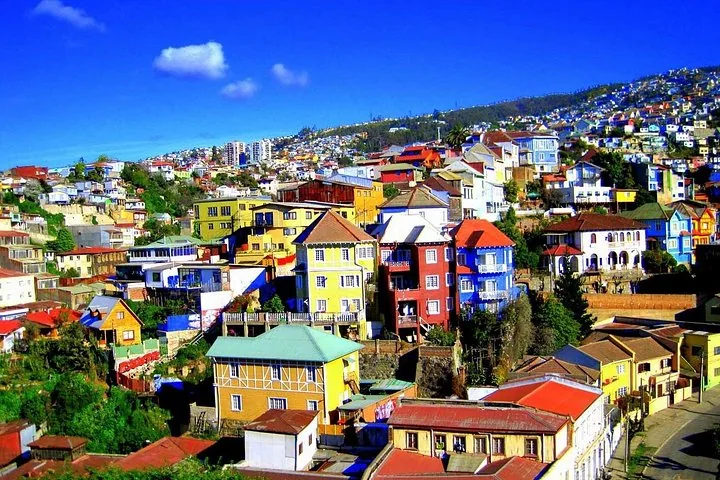
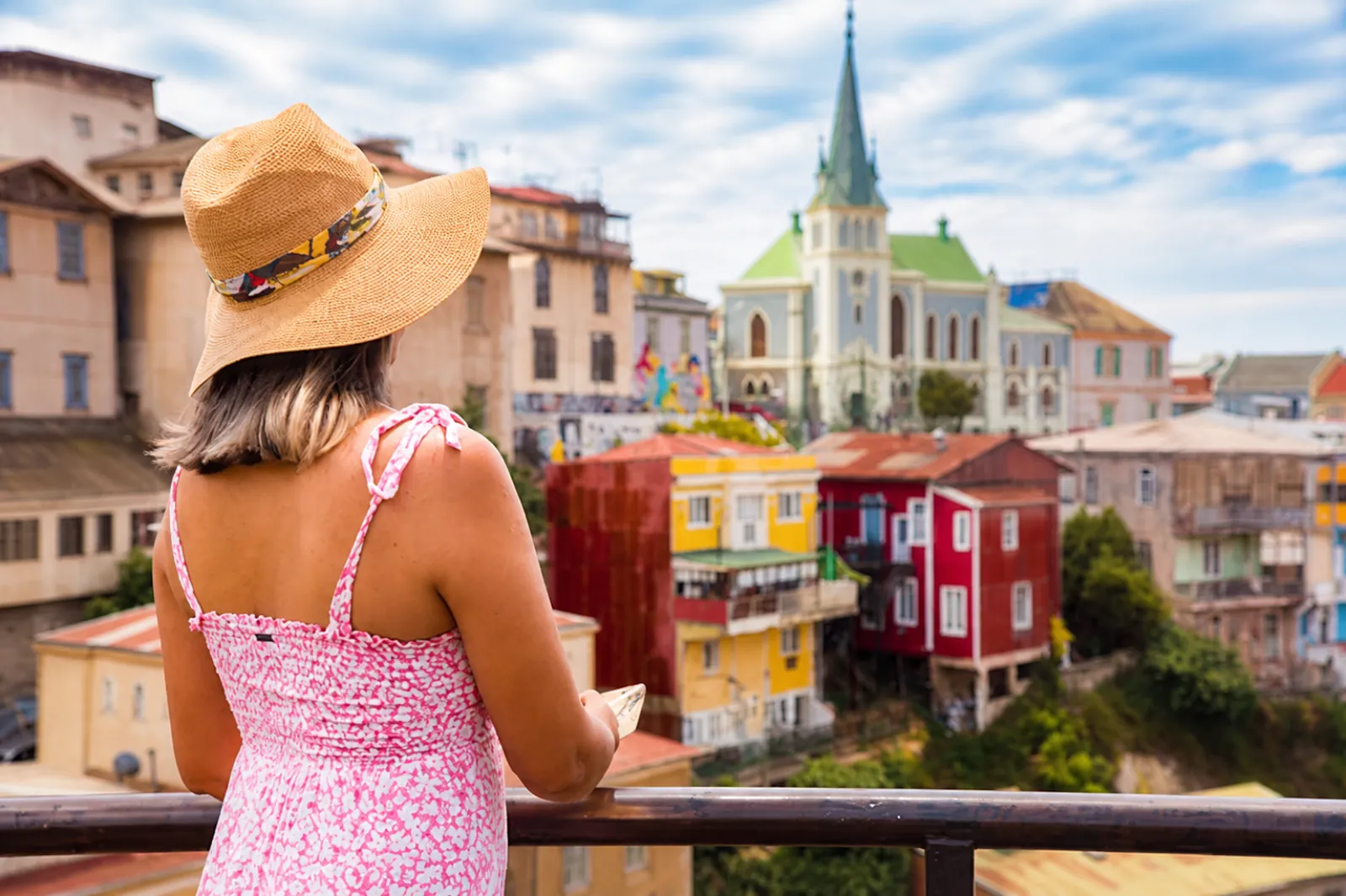
Yes, if you are happy with fewer wineries. Casablanca lies between Santiago and the Pacific, so you can pair a tasting with sightseeing in Valparaíso or Viña del Mar. A coastal day usually fits one winery, not a three-estate wine itinerary. For a wine day, stay in the valley; for a broader sightseeing day, pick one winery and carry on to the coast.
Our pick: the Valparaíso and Viña del Mar Coast Tour with Casablanca Wine Tasting, from $75 per person and rated 4.9 from more than 8,800 Viator reviews, pairs one tasting with both coastal cities.
Is a half-day tour enough?
A half day works for one winery with easy transport. For two tastings and a restaurant lunch, a full day is the better choice. Most first-time visitors should allow seven to ten hours including the drive from Santiago.
What to wear for a Casablanca Valley wine tour in each season
Most winery tastings need no formal clothes, but neat, comfortable clothes are a good idea (our winery dress code guide has outfits for each season). Plan for vineyard paths and changing temperatures.
| Season | What to bring |
|---|---|
| Summer | Light clothes, sun protection, sunglasses, walking shoes |
| Autumn | Light jacket, comfortable shoes, layers for cooler afternoons |
| Winter | Waterproof jacket, warm layers, closed shoes with good grip |
| Spring | Layers, a light jacket, sun protection |
Skip heels if your tour includes vineyard paths or gravel. Even in summer, bring an extra layer: the coastal breeze can make open spots cooler than you expect.
How to plan a seasonal wine day
Whatever the month, a well-paced day beats an ambitious list of winery stops.
A full-day itinerary
- 8:30 a.m., leave Santiago: drive west to the valley.
- 10:30 a.m., first winery: a guided vineyard tour and tasting at Emiliana or a similar estate.
- 12:30 p.m., move to the second winery: leave time for the drive and photographs.
- 1:00 p.m., vineyard lunch: a relaxed meal at Casas del Bosque or another winery restaurant, booked ahead.
- 2:45 p.m., second tasting or cellar visit: compare different styles.
- 4:00 p.m., return to Santiago: arrive in the late afternoon or early evening, depending on traffic.
Times are examples. Winery schedules, driving distances and daylight should set the final plan.
Adjusting the day by season
- In summer: outdoor visits in the morning, shaded lunch in the afternoon.
- At harvest: leave extra time for a winemaking experience.
- In winter: favor indoor tastings and cut unnecessary outdoor transfers.
- In spring: leave time for vineyard photos and scenic stops.
Frequently asked questions
What is the best month to visit Casablanca Valley?
March and November are both very good choices. March brings the harvest and comfortable weather; November brings green spring vineyards and pleasant conditions for tasting outdoors.
When is the Casablanca Valley wine harvest?
Usually from mid-March to late April. Some sparkling-wine grapes can be picked earlier, and in cool years the last grapes come in during early May.
When is the Casablanca Valley harvest festival?
The 2026 Fiesta de la Vendimia took place on April 11 and 12 at Casablanca Municipal Stadium. As of November 1, 2026, the 2027 dates had not been published.
Is Casablanca Valley open for wine tours all year?
Many wineries offer tastings all year, but opening days and visits vary. Book ahead.
What is the hottest month in Casablanca Valley?
January, with an average high of about 24°C (75°F). Hotter days are possible.
What is the coldest month in Casablanca Valley?
July, with an average high of about 14°C (57°F) and an average low of about 5°C (40°F).
Does it rain much in Casablanca Valley?
Most rain falls from May to August, and June is usually the wettest month. January and February are very dry.
Can you visit Casablanca Valley in July?
Yes. July suits indoor tastings and cellar visits, although the vines are dormant and it can be wet.
Is October a good time to visit Casablanca Valley?
Yes. October brings spring growth, improving weather and pleasant conditions for vineyard visits.
Is November a good time for Casablanca Valley wine tours?
Yes. November is one of the best months for vineyard scenery, dry weather and outdoor dining.
Are Casablanca Valley wineries busy during harvest?
Some estates are busier with production, and harvest experiences and events draw extra visitors. Book ahead.
Can visitors pick grapes during harvest?
Only on an activity that includes it, such as Casas del Bosque’s Harvest Experience. A normal winery tour does not include picking.
Is the harvest festival the same as the grape harvest?
No. The harvest is farm work that runs over several weeks. The festival is a public celebration on set dates, held in April.
When are Casablanca vineyards green?
From spring through summer; November to March is the best stretch for green vineyards.
Can you tour wineries in winter?
Yes, where visits keep running. Winter suits indoor cellar visits, but rain can affect outdoor activities.
Is Casablanca Valley better in spring or autumn?
Spring is excellent for greenery and sightseeing; autumn is more interesting for the harvest and the festival. Both are strong choices.
Can I visit Casablanca Valley and Valparaíso in one day?
Yes. A combined tour can include one winery tasting and sightseeing in Valparaíso or Viña del Mar. Plan a multi-winery day separately.
When should you go to Casablanca Valley?
The valley is worth a visit all year, but the season changes what makes the day special.
To see the wine region at its busiest, choose March or April, when the vineyards and wineries are busiest with the harvest. If scenery, comfortable weather and outdoor dining matter most, October or November are excellent. For sunny winery lunches, go from December to February.
If you are traveling in the Chilean winter, don’t rule Casablanca out. The vines may be dormant, but the wine is just as good. In any season, a well-planned day at two wineries is more memorable than rushing between four.
Compare winery tours from Santiago, then check your exact dates with the winery or operator, because seasonal programs, festival dates and opening hours change from year to year.
Compare all Casablanca Valley wine tours
Related guides
- Casablanca Valley, Chile: complete wine country guide
- Best wineries in Casablanca Valley
- Wine tasting in Casablanca Valley
- Best wine tours from Santiago
- Casas del Bosque winery guide
- Emiliana organic winery guide
- Best private wine tours from Santiago
- How to get to Casablanca Valley from Santiago
This guide reflects information checked in November 2026. Seasonal winery programs, festival dates, opening hours and prices change, so confirm each visit before booking.
Sources and further reading
- Chile Travel: Casablanca Valley, for climate, access and booking advice.
- Casablanca Valley harvest festival, for the 2026 dates, venue and tasting glasses.
- Emiliana: tours and tastings, for the seasonal schedules.
- Casas del Bosque: wine tourism, for the harvest experience and tastings.
- Casas del Bosque: 2021 harvest report, for picking dates in a cool year.
- VSPT Wine Group: harvest reports, for Casablanca picking dates by variety.
- Kingston Family Vineyards: Casablanca Essentials, for the tasting, times and closure dates.
- Climate-Data.org: Casablanca, Chile, for the monthly averages.
Spend the Day in the Vineyards
Free cancellation up to 24 hours before. Four Casablanca Wineries: Emiliana, Bodegas RE, Casa del Molle, Tanino from $139 per person.
Check Availability & Book