Chile wine country: best wine regions, vineyards and wine tours
Chile's best wine regions compared, from Casablanca and Maipo to Colchagua: grapes, wineries, drive times from Santiago and how to plan your visit.
Chile’s wine country runs for hundreds of kilometers between the Andes and the Pacific, but you can taste a good part of it from Santiago. Casablanca Valley, about an hour west on Ruta 68, makes the easiest day trip for cool-climate Sauvignon Blanc, Chardonnay and Pinot Noir. Maipo Valley, south of the city, is the classic stop for Cabernet Sauvignon, and Colchagua, with Santa Cruz as its base, works best as an overnight trip for Carménère.
If you have one free day in Santiago and want a guide and transport, book the Four Casablanca Wineries tour: tastings at Emiliana, Bodegas RE and Casa del Molle, a lunch stop at Tanino at your own expense, and pickup from your accommodation. It is from $139 per person and rated 4.8 from 671 Viator reviews. The sections below compare eight regions and cover wineries, seasons and itineraries for longer trips.
Check Availability
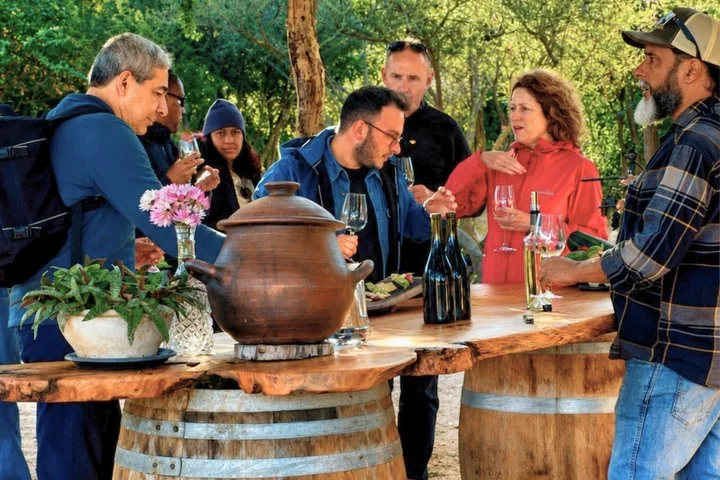
Four Casablanca Wineries: Emiliana, Bodegas RE, Casa del Molle, Tanino
- 4.8/5 (671 reviews)
- 10 hours
- Free cancellation
- Operated by Go2Chile Travel
Includes Admission at Emiliana Organic Vineyards · Admission at Bodegas RE · Admission at Casa del Molle
You'll choose your date and complete the booking on Viator. Free cancellation up to 24 hours before departure.
Chile wine country at a glance
| Question | Quick answer |
|---|---|
| What are Chile’s best-known wine regions? | Casablanca, Maipo, Colchagua, Cachapoal, Aconcagua, San Antonio/Leyda, Limarí and Maule |
| Which is best for white wine? | Casablanca, San Antonio/Leyda and Limarí |
| Which is best for Cabernet Sauvignon? | Maipo Valley |
| Which is best for Carménère? | Colchagua, Cachapoal and parts of Maipo |
| Which is best for Pinot Noir? | Casablanca, Leyda and other cool coastal areas |
| Best region for a day trip from Santiago? | Casablanca or Maipo |
| Best region for a weekend? | Colchagua |
| Best months for harvest? | Generally February to April, varying by region and grape |
| Can you visit wineries without a car? | Yes, on a guided tour or with a private transfer; public transport is awkward for more than one winery |
| How long should you spend? | One day for a single region, three to five days to compare several |
Chile’s official tourism board lists Casablanca, Maipo and Colchagua among its core wine destinations, with wine routes continuing south through other valleys.
The regions are not interchangeable. Some suit a first visit, some suit serious red-wine drinkers, and some are farther away but have the scenery or small producers to justify the drive. You can spend a morning on organic winemaking, eat lunch with a view of the Andes, or taste old-vine Carignan from a grower keeping a near-forgotten variety alive.
Where is Chile wine country?
Chile’s wineries do not sit in one compact area. The best-known vineyards lie in central Chile, but wine is made much farther north and south as well.
The Andes rise to the east and the Pacific lies to the west. Between them run valleys where altitude, ocean breezes, rainfall and soil change a great deal over short distances, and that geography explains most of what you taste.
Coastal vineyards are usually cooler, so the grapes ripen slowly and the wines keep their freshness. Inland valleys are often warmer and give richer, fuller-bodied reds. High-altitude vineyards have their own conditions again. It is a useful general pattern, though a single vineyard’s site and microclimate matter just as much. Our Chilean wine guide goes grape by grape through what each region grows best.
Most visitors start from Santiago. Casablanca and Maipo are the simplest day trips from the city, while Colchagua makes more sense with a night away.
Other Experiences
Other experiences you might enjoy
More Casablanca Valley wine tours, each with its own page and booking link.
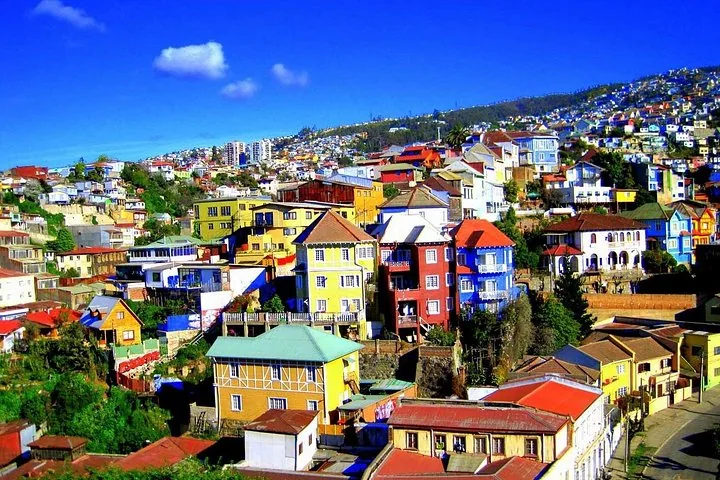
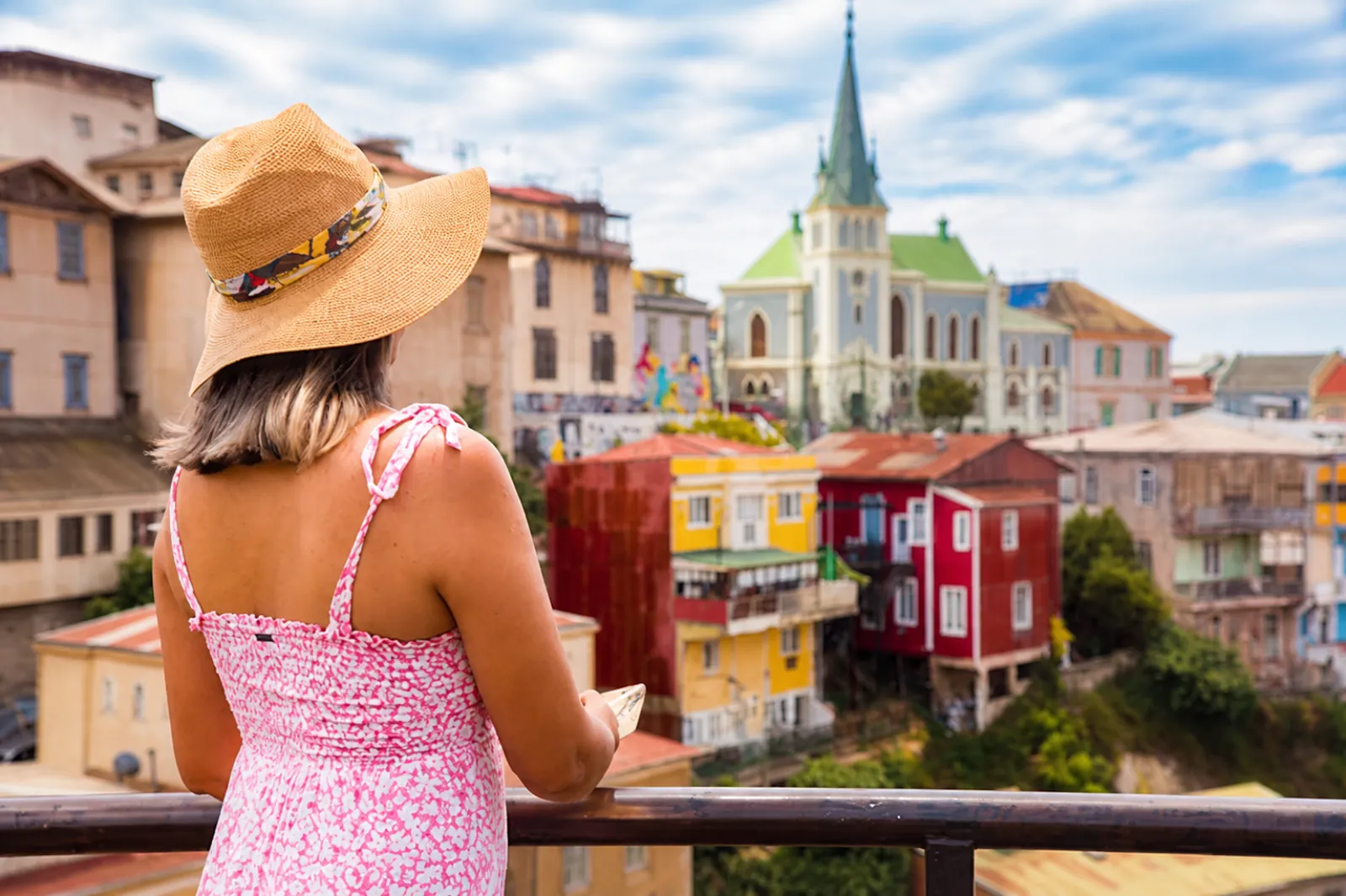

The 8 best wine regions in Chile
This is a practical shortlist for visitors, not a ranking of wine quality. The grapes listed are each region’s strengths, not everything it produces.
| Wine region | Known for | Main reason to visit | Suggested time |
|---|---|---|---|
| Casablanca | Sauvignon Blanc, Chardonnay, Pinot Noir | Cool-climate wines, winery restaurants | 1 day |
| Maipo | Cabernet Sauvignon, Carménère | Famous wineries, traditional Chilean reds | Half day to 1 day |
| Colchagua | Carménère, Cabernet Sauvignon, Syrah | Red wines, country estates, wine hotels | 1 to 2 days |
| Cachapoal | Carménère, Cabernet Sauvignon | Quieter red-wine country | 1 day |
| San Antonio/Leyda | Sauvignon Blanc, Pinot Noir, Chardonnay | Coastal cool-climate wines | 1 day |
| Aconcagua | Cabernet Sauvignon, Syrah, Chardonnay | Inland and coastal styles in one valley | 1 day |
| Limarí | Chardonnay, Syrah, Pinot Noir | Northern landscapes, limestone-influenced wines | 1 to 2 days |
| Maule | Carignan, País, Cabernet Sauvignon | Old vines and traditional producers | 1 to 2 days |
The regional grape strengths follow the Wines of Chile region guide.
1. Casablanca Valley: coastal white wines and vineyard lunches
Casablanca Valley is the easiest region to recommend on a first trip to Chile. It is close to Santiago, sits on the road to Valparaíso, and pairs tastings with vineyard views and good winery restaurants. Our Casablanca Valley guide covers the valley in full.
Casablanca stands out for its wine. The Pacific keeps the climate cool, with morning fog and afternoon breezes that help the grapes hold their freshness as they ripen. Casablanca has become one of Chile’s defining regions for Sauvignon Blanc and Chardonnay, and its Pinot Noir has a strong reputation too. Wines of Chile describes it as a pioneering cool-climate region; its first vineyard was planted in 1982 by Pablo Morandé. Next to Maipo or Colchagua reds, the wines are lighter, brighter and built on freshness.
Choose Casablanca if your ideal wine day means a crisp white, a guided cellar visit and lunch overlooking the vines.
Best wines to try
- Sauvignon Blanc: fresh and aromatic, often citrusy, with herbal notes and bright acidity.
- Chardonnay: from lean, mineral styles to richer wines shaped by oak aging.
- Pinot Noir: red cherry, raspberry and gentle spice, lighter in body than Cabernet Sauvignon.
Best wineries to visit
- Casas del Bosque: polished tastings, vineyard scenery and the Tanino restaurant. A good choice for a first visit and for food lovers. It is No. 42 in The World’s 50 Best Vineyards 2025. Our winery visitor guide lists its tastings and prices.
- Emiliana: organic and biodynamic vineyards, with a focus on wine education and sustainable farming. See our Emiliana winery guide.
- Bodegas RE: unusual blends and experimental winemaking in clay amphorae and tinajas, for curious drinkers. Our Bodegas RE winery guide covers its tastings and cellar.
Other notable producers include Veramonte, Viñamar, Loma Larga and Kingston Family Vineyards. Our list of the best Casablanca Valley wineries compares them.
How to visit Casablanca Valley
The valley is about 80 km west of Santiago, around an hour’s drive on Ruta 68, longer in traffic. A full-day tour is the easiest way to see several wineries without driving. The Four Casablanca Wineries tour covers three tastings and a Tanino lunch stop in 10 hours, and the Casablanca Valley 4 Vineyards tour swaps Casa del Molle for the sparkling-wine house Viñamar, from $149 and rated 4.9 from 148 Viator reviews. Which Casablanca Valley wine tour is right for you compares all of them.
Plan on two or three wineries instead of trying to visit every famous estate.
Best for: white-wine lovers, couples, first-time wine travelers and anyone who wants a relaxed winery lunch. Read next: Casablanca Valley, Chile: complete wine country guide.
2. Maipo Valley: Cabernet Sauvignon and classic Chilean wineries
Maipo is one of Chile’s most historic wine regions. If Casablanca stands for the country’s fresh, Pacific-influenced whites, Maipo is where you taste its famous Cabernet Sauvignon.
The valley spreads south and southeast of Santiago, with vineyards running from the foot of the Andes toward the coastal range. Much of it is warmer than Casablanca, which gives structured reds with dark fruit, firm tannins and good aging potential. Some of Chile’s best-known wineries are here, and many are a short drive from the capital.
Best wines to try
Cabernet Sauvignon is the essential Maipo tasting. Depending on the wine and the site, expect blackcurrant, plum, cedar, tobacco or mint. Carménère, Merlot and Syrah are also good to try.
Best wineries to visit
- Concha y Toro: one of Chile’s best-known producers, with established visitor tours and the Casillero del Diablo story.
- Santa Rita: a historic estate that combines tastings with gardens and Chilean heritage.
- Cousiño Macul: a traditional Chilean winery with fairly easy access from Santiago.
- Haras de Pirque: known for its striking architecture and hillside setting.
How to visit Maipo Valley
Some Maipo wineries are close enough to central Santiago for a half-day visit, though the valley is large and journey times vary. If you want several estates, pick wineries in the same part of the valley instead of crossing it.
Best for: Cabernet Sauvignon fans, historic estates and visitors short on time.
With two days for wine, spend one on Maipo Cabernet and one on Casablanca Sauvignon Blanc and Pinot Noir, and the contrast between the two styles becomes obvious. This site covers Casablanca tours only; Casablanca vs Maipo Valley sets the two side by side if you can fit in just one.
3. Colchagua Valley: Carménère and wine-country weekends
Colchagua is where a wine visit turns into a countryside escape. South of Santiago, the valley is known for full-bodied reds, especially Carménère and Cabernet Sauvignon.
Santa Cruz makes a good base, with estates, restaurants, museums and wine activities nearby. Colchagua suits a long winery lunch, visits to several estates and an evening without the drive back to the capital.
Best wines to try
Carménère is the grape to look for. Originally a Bordeaux variety, it has become central to Chile’s wine identity. Depending on ripeness and winemaking, it shows dark plum, blackberry, herbs, pepper and soft tannins. Cabernet Sauvignon and Syrah are widely planted too.
Best wineries to visit
- Montes: premium Chilean wines and a distinctive winery setting.
- Viu Manent: an established visitor program, good for a countryside visit.
- Casa Silva: a family estate with long winemaking traditions.
- Lapostolle: premium reds and the celebrated Clos Apalta estate.
Colchagua is part of the wider Rapel wine area and is best known for red varieties, although its coastal sectors also grow cool-climate wines.
How to visit Colchagua
Santa Cruz is roughly two and a half to three hours from Santiago by road, depending on traffic and where you start. A day trip is possible but means a lot of driving, and an overnight stay gives you time for the wineries and the countryside.
Best for: Carménère lovers, romantic vineyard stays, food lovers and anyone planning a two-day wine break.
4. Cachapoal Valley: Carménère off the main wine routes
Cachapoal lies in the northern part of the greater Rapel area, between Santiago and Colchagua. International visitors know it less well, but it matters for Chile’s premium reds. Its Carménère is the main draw, grown at different elevations and on different soils. Some visits here focus more on production than on the polished tourist experience.
Best wines to try
Carménère, Cabernet Sauvignon and Merlot are the main varieties. With the range of elevation and climate, styles run from concentrated reds to fresher wines.
Winery to know
Altair is a premium Cachapoal estate known for high-quality reds. Smaller estates may need arranging in advance, so Cachapoal suits travelers who plan ahead.
Best for: experienced wine drinkers, Carménère lovers and anyone after a quieter alternative to Colchagua.
5. San Antonio Valley and Leyda: cool-climate wines by the coast
If you already enjoy Casablanca wines, San Antonio takes the Pacific influence a step further. Its vineyards sit closer to the coast, and the cool maritime conditions suit Sauvignon Blanc, Chardonnay and Pinot Noir. Leyda is a sector within the San Antonio region, not a separate valley; Wines of Chile names Leyda, Lo Abarca and Rosario as its three main sectors. The wines tend to put acidity and aroma ahead of richness.
Best wines to try
Start with Sauvignon Blanc, then Pinot Noir. Cool-climate Chardonnay and Syrah can also be excellent.
Wineries to consider
- Viña Leyda: one of the defining names of the area’s cool-climate wines.
- Casa Marín: distinctive coastal wines with a strong sense of place.
- Garcés Silva: part of the region’s early development, with a boutique focus.
Check directly which estates offer public tastings, because not every acclaimed producer runs a regular visitor center.
Best for: Sauvignon Blanc and Pinot Noir fans, repeat visitors and travelers interested in terroir.
6. Aconcagua Valley: mountain and coastal wines in one region
Aconcagua shows how much Chilean wine can change over a short distance. The inland valley is warmer and grows red varieties, while the coastal sectors are cooler and maritime. Between them, the wider Aconcagua area makes both structured reds and fresher Chardonnay, Sauvignon Blanc and Pinot Noir.
Best wines to try
Inland, try Cabernet Sauvignon, Syrah and Carménère. Closer to the Pacific, cool-climate whites and Pinot Noir take over.
Winery to know
Errázuriz is a well-known producer behind much of Aconcagua’s reputation for premium wine. Fewer Santiago day trips go to Aconcagua than to Casablanca or Maipo, so arrange transport and reservations ahead.
Best for: visitors who like comparing styles within one region, and fans of well-known Chilean producers.
7. Limarí Valley: northern landscapes and mineral wines
Limarí is one of Chile’s more surprising wine regions. Much farther north than Casablanca or Maipo, it is a dry landscape where Pacific fog and soils rich in calcium carbonate shape the vineyards. Those conditions built its reputation for Chardonnay, Syrah and Pinot Noir, and it appeals to travelers curious about vines thriving in country that looks too dry for them.
Best wines to try
Chardonnay is the place to start, often fresh and citrusy with a mineral edge. Syrah can also be distinctive.
Winery to know
Tabalí is a leading producer in the development of premium Limarí wine. The valley fits better into a northern Chile itinerary through the Coquimbo Region than into a day trip from Santiago.
Best for: serious wine travelers, Chardonnay fans and visitors exploring the Coquimbo Region.
8. Maule Valley: old vines and traditional Chilean wine
Maule feels quite different from Chile’s polished wine destinations. It is one of the country’s oldest and largest growing areas, with old vineyards, dry-farmed vines and traditional grapes. Its wines do not fit the Cabernet-and-Carménère image of Chile: Carignan, País and old-vine field blends show how the country made wine before the export boom.
Best wines to try
- Carignan: bright and structured, with red fruit and spice.
- País: a historic variety that makes lighter, fresh and sometimes rustic wines.
- Cabernet Sauvignon: also important across the wider Maule region.
What makes Maule different
Some vines have been farmed by the same families for generations, and small producers often work old vineyards instead of large modern estates. You will enjoy a visit here if you like hearing about growers and local farming traditions. Maule is big, so pick one winery area and book visits ahead.
Best for: wine lovers interested in heritage grapes, old vines and lesser-known producers.
Which Chilean wine region should you visit?
Match the region to the wines you like, where you are staying and how much time you have.
- Crisp whites and elegant Pinot Noir, based in Santiago or on the coast, one day: Casablanca Valley, which also sits between Santiago and Valparaíso.
- Rich reds, Cabernet and Carménère, one day from Santiago: Maipo.
- Rich reds with two days or more: Colchagua, with a night in Santa Cruz.
- A mix of styles with two days or more: Casablanca plus Maipo.
First visit to Chile
Casablanca or Maipo, because both are easy to reach from Santiago and have well-developed visitor programs. Casablanca suits you if you enjoy white wine, good food and a relaxed day in the country; Maipo is the better pick if Cabernet Sauvignon and classic Chilean reds come first.
Serious wine lovers
Spread your time across two or three regions. Casablanca, Maipo and Colchagua together give a broad introduction, from coastal Sauvignon Blanc and Pinot Noir to warm-climate Cabernet and Carménère. Add Maule on a longer trip if old vines and traditional grapes interest you.
Couples
Casablanca and Colchagua both work, in different ways. Casablanca makes an easy romantic day trip with tastings and a winery lunch. Colchagua suits a countryside weekend, especially with a night at a vineyard property.
Travelers new to wine
Start with a guided tasting in Casablanca or Maipo. You do not need to know grape varieties or wine terms, and many visits explain how grapes are grown, how wine is made and how the styles differ. Three or four contrasting wines teach you more than a technical flight of similar premium bottles.
Best wineries in Chile for visitors
Chile has hundreds of producers, but not all of them offer public tours or regular tastings, and the most famous label is not always the easiest visit. Here is a shortlist of established wineries to look into.
| Winery | Region | Main reason to visit |
|---|---|---|
| Casas del Bosque | Casablanca | Tastings and winery restaurants |
| Emiliana | Casablanca | Organic and biodynamic winemaking |
| Bodegas RE | Casablanca | Experimental winemaking and unusual blends |
| Veramonte | Casablanca | Cool-climate wines and organic vineyards |
| Concha y Toro | Maipo | Established tours and internationally known wines |
| Santa Rita | Maipo | Wine, history and heritage |
| Cousiño Macul | Maipo | Traditional Chilean winery visit |
| Montes | Colchagua | Premium reds and a distinctive estate |
| Viu Manent | Colchagua | Countryside winery visits |
| Lapostolle | Colchagua | Premium winemaking and architecture |
| Errázuriz | Aconcagua | Well-known producer of premium wines |
| Tabalí | Limarí | Northern terroir and Chardonnay |
This is a list of wineries to look into, not a promise that each offers public tastings every day. Check booking conditions with each winery before you go.
Best wine tours in Chile
For most international visitors, a guided tour is the easiest way to see Chile’s vineyards. Nobody has to drive after tasting, and the tour arranges winery visits you would otherwise book one by one. Tours differ a lot in what they include, though.
1. Casablanca Valley wine tours from Santiago
These suit white-wine lovers, first-time visitors, couples and anyone who wants a full wine day without a night away. Some tours combine two or more wineries; others pair one tasting with lunch or sightseeing. Good itineraries visit estates such as Emiliana, Casas del Bosque and Bodegas RE, depending on the operator and the date. For a full day, choose a tour with transport from Santiago and enough time for an unhurried lunch.
Our pick for a dedicated wine day is the Four Casablanca Wineries tour, from $139 and rated 4.8 from 671 Viator reviews; our breakdown has the details. If you want the coast as well, the Valparaíso, Viña del Mar and Casablanca Valley Wine Tour adds one Casablanca tasting to a day in Valparaíso, from $61 and rated 4.8 from 1,350 GetYourGuide reviews. See all Casablanca Valley wine tours from Santiago.
2. Visiting Maipo Valley wineries
Maipo suits Cabernet Sauvignon lovers who want a half day or a full day close to Santiago. Wineries such as Concha y Toro and Santa Rita run their own visitor tours and tastings on site; check each winery’s website for current times and prices. A visit to a single established winery is often enough for a first taste of Chilean wine tourism. The tours on this site are all in Casablanca, and Casablanca vs Maipo Valley helps you choose between the two valleys.
3. Visiting Colchagua
Colchagua suits red-wine lovers planning a countryside break. It is much farther from Santiago than Maipo or Casablanca, and a day trip can feel rushed if you try to fit in several wineries. If you can, stay overnight around Santa Cruz and arrange winery visits locally.
4. Private wine tours
Private tours help groups with particular wishes: more time at one winery, only organic producers, or lunch at a specific estate. Some tours sold as private only give you your own vehicle on a fixed route, so ask whether you can change the wineries, tastings and lunch stop. In Casablanca, the private Emiliana, William Cole and Casa del Bosque tour is from $150 and rated 4.9 from 118 Viator reviews; private Casablanca Valley wine tours compares the others.
How to choose a wine tour
| Check before booking | Why it matters |
|---|---|
| Departure point | Some tours start in Santiago, others at the winery |
| Number of wineries | A drive past vineyards is not a tasting |
| Tastings included | Some tours charge winery tasting fees separately |
| Wine selection | Standard flights and premium tastings differ |
| Lunch | The restaurant, food and wine pairings may cost extra |
| Group size | A small group feels different from a large coach |
| Guide language | English is not guaranteed on every departure |
| Duration | Check how much of the day is spent driving |
| Cancellation policy | Winery arrangements can be hard to change |
| Winery substitutions | Some operators can change the route |
Choose a tour for the wineries and tastings it includes. The number of stops and the lowest headline price tell you less.
How much do wine tours in Chile cost?
Chile has everything from short tastings to private full-day tours and long multi-course lunches, so there is no single national price. The main difference is between booking a tasting directly with a winery and booking a tour that includes transport from Santiago.
| What you book | What you pay for | Cost to consider |
|---|---|---|
| Basic winery tasting | A tasting flight and sometimes a short introduction | Usually the cheapest option if you arrange your own transport |
| Guided winery and cellar tour | A hosted visit plus selected wines | More context than a tasting alone |
| Shared full-day tour | Transport, guide and scheduled winery stops | Check whether tasting fees are included |
| Private wine tour | Your own vehicle and a more personal plan | Often better value when several people share the cost |
| Premium tasting | Top wines, specialist guidance or private rooms | Usually more than a standard flight |
| Winery lunch | Food, setting and sometimes wine pairing | May need a separate reservation |
For Casablanca, coast days with one tasting start from $56 per person on this site, and the shared wine days are from $139 and $149. Private tours with their own page here run from $150 to $329 per person. Prices vary by date, so the live figure is always on the booking page.
To judge value, compare a guided full-day tour with the combined cost of a rental car, tasting fees, a driver who stays sober and lunch booked on your own. Self-drive vs wine tour runs that comparison for Casablanca.
How to plan a Chile wine country itinerary
How long you need depends on whether wine is one part of your trip or the main reason you came.
One day: Casablanca or Maipo
With one day, do not try to fit distant regions into the same itinerary. In Casablanca, a good day might take in an organic winery, a tasting at a second estate and lunch among the vines. In Maipo, focus on one historic estate and a second winery known for premium Cabernet Sauvignon. Either way, leave time between reservations, because winery visits often run long, especially with lunch.
Two days from Santiago: coastal and inland wines
- Day 1, Casablanca Valley: cool-climate Sauvignon Blanc, Chardonnay and Pinot Noir. Visit two wineries and eat lunch overlooking the vineyards, on your own or on the Four Casablanca Wineries tour.
- Day 2, Maipo Valley: Cabernet Sauvignon and Chile’s red-wine heritage. Choose one or two historic or premium wineries and return to Santiago in the afternoon.
Those two days show you the contrast between Chile’s maritime and inland regions.
Three days: add Colchagua
Spend the first two days in Casablanca and Maipo, then head south to Colchagua. If you do not mind a busy schedule, you can visit a winery near Santa Cruz and return to Santiago the same day. For a more relaxed trip, spend the night in Colchagua and keep the next morning free.
Five days: a fuller wine journey
- Day 1, Santiago and Maipo: a historic winery and an introduction to Cabernet Sauvignon.
- Day 2, Casablanca: coastal Sauvignon Blanc, Pinot Noir and winery restaurants.
- Day 3, Casablanca or Valparaíso: a slower second winery day, or the Pacific coast on a day such as the Valparaíso and Viña del Mar Coast Tour, which ends with a Casablanca tasting (from $75, rated 4.9 from 8,948 Viator reviews).
- Day 4, travel to Colchagua: visit an estate near Santa Cruz and stay overnight.
- Day 5, Colchagua: Carménère and one more winery before you return to Santiago or travel on.
This plan keeps you from moving between valleys every day and gives each region time. For a more specialist trip, swap the coast day for another premium tasting or a lesser-known region.
Best time to visit Chile wine country
Chile’s main wine regions have a Mediterranean-style pattern of dry summers and wetter winters, though conditions differ between valleys, especially coastal and inland ones. Chile is in the Southern Hemisphere, so the harvest falls early in the calendar year.
| Season | Months | What to expect |
|---|---|---|
| Spring | September to November | New vine growth, green landscapes, pleasant weather for vineyard visits |
| Summer | December to February | Warm, dry weather, outdoor tastings and vineyard lunches |
| Harvest and early fall | February to April | Grape picking, harvest festivals and busy wineries |
| Late fall | April to May | Changing vineyard colors, quieter visits |
| Winter | June to August | Cooler, wetter weather and more indoor tastings |
Spring: September to November
Spring suits visitors who come for the scenery. The vines come back to life, the days warm up and outdoor visits get more comfortable. October and November are good months for a Casablanca day trip, although mornings can stay cool near the coast.
Summer: December to February
Summer is the season for winery restaurants, terraces and vineyard walks. Inland regions such as Maipo and Colchagua can get hot, so book morning visits and shaded lunches. Reserve popular visits ahead for weekends and holidays.
Harvest: February to April
You may see grapes being picked, fermentation under way and local vendimia festivals. The harvest does not start everywhere at once: early-ripening grapes and warmer areas go first, and other vineyards pick later. In cool Casablanca it usually runs from mid-March to early May.
Chile Travel’s 2026 harvest calendar listed festivals in Colchagua, Maipo, Curicó, Aconcagua and San Antonio, among others. The Santa Cruz festival was scheduled for March 6 to 8, 2026, and Isla de Maipo’s for March 28 and 29, 2026. Festival dates change every year, so check the current season’s calendar when you book.
Winter: June to August
Winter still works for wine. Many established wineries keep offering indoor tastings and cellar visits, though rain, cold and shorter hours can limit outdoor activities. Casablanca can feel cool and damp, and inland valleys have cold mornings and evenings. In winter, pick wineries with established visitor facilities and reserve everything ahead.
What wines should you try in Chile?
Each region gives familiar grapes its own accent, and you do not need expert knowledge to taste the difference.
Sauvignon Blanc
Sauvignon Blanc is the easiest way into Chile’s cool coastal vineyards. In Casablanca and Leyda it often shows citrus, green fruit, herbs and crisp acidity. If you like dry, crisp whites, put it near the top of your list.
Where to try it: Casablanca Valley and San Antonio/Leyda.
Chardonnay
Chilean Chardonnay varies enormously. Some wines are fresh and citrusy; others gain a richer texture and toasty flavors from barrel fermentation or aging. Tasting an unoaked and a barrel-aged Chardonnay side by side shows the range.
Where to try it: Casablanca, Limarí and coastal Aconcagua.
Pinot Noir
Pinot Noir has found a home in Chile’s cooler regions. Look for red cherry, raspberry, gentle spice and soft tannins. It is a good choice if you do not usually enjoy powerful reds.
Where to try it: Casablanca and San Antonio/Leyda.
Cabernet Sauvignon
Cabernet Sauvignon is one of Chile’s best-known strengths. Maipo is famous for versions with dark fruit, firm tannins and long aging potential. A winery tasting lets you compare a young Cabernet with bottles that have spent time in the cellar.
Where to try it: Maipo, Colchagua and Aconcagua.
Carménère
Carménère has become one of Chile’s signature reds. It often combines ripe dark fruit with herbal or peppery notes, and depending on the producer it can be smooth and approachable or more structured.
Where to try it: Colchagua, Cachapoal and Maipo.
Carignan and País
For a less familiar side of Chile, try Carignan and País. Both connect you with older winemaking traditions, especially in the south of central Chile. Carignan gives fresh, structured reds with lively acidity; País comes from some of Chile’s historic vineyards and makes lighter reds.
Where to try them: Maule and Itata, depending on the producer.
How to get around Chile wine country
Guided wine tours
If you are staying in Santiago, a guided tour is usually the most convenient choice. It arranges the winery appointments and transport, and nobody in your group has to drive after tasting. Casablanca and Maipo are the easiest regions for a single day from the capital, and the Casablanca options are compared in which Casablanca Valley wine tour is right for you.
Rental car
A car gives you flexibility, especially for a night in Colchagua or remote wineries. Chile has a zero-tolerance drink-drive law, so your group needs a designated driver who does not drink. Expect tolls, rural roads and long distances between estates.
Private driver
A private driver suits couples and small groups who want to choose their own wineries, and helps when you combine Santiago, Casablanca and Valparaíso. Confirm the itinerary, the waiting time and whether the driver books the winery visits.
Public transport
Intercity buses reach some wine towns, but the wineries are spread across the countryside. For one winery near a town, a bus plus a local taxi can work. For several, taxis between rural estates get complicated, so arrange your return ahead. How to get to Casablanca Valley from Santiago covers the bus route to Casablanca.
Where to stay in Chile wine country
The best base depends on the region. For Casablanca hotels by name, see our guide to where to stay in Casablanca Valley.
| Base | Why stay there | Ideal for |
|---|---|---|
| Santiago | Widest choice of hotels and most tour departures | Casablanca and Maipo day trips |
| Casablanca countryside | Quiet vineyard surroundings | Wine-focused overnight stays |
| Valparaíso | Culture, food and easy access to Casablanca | Combining wine with the coast |
| Viña del Mar | Coastal hotels and restaurants | Couples and family holidays |
| Santa Cruz | Access to Colchagua wineries and rural lodging | Two-day red-wine trips |
| Talca and the Maule countryside | Close to the producers of southern central Chile | Old-vine enthusiasts |
For a one-day Casablanca tour there is no need to change hotels: staying in Santiago and joining a guided tour is usually simpler. For Colchagua, a night away pays off because of the drive from Santiago.
Wine tasting etiquette and practical tips
Tastings in Chile are generally relaxed, especially at wineries used to international visitors. A few things help:
- Book ahead. Not every winery takes walk-ins, and some need a booking for English-language tours.
- Wear comfortable shoes. Vineyard paths, barrel rooms and production areas can be uneven.
- Do not feel you have to finish every glass. Using the spittoon is normal at any tasting.
- Eat beforehand. Some basic tastings include no food, and the samples add up.
- Ask about the wines. Guides are usually happy to explain the grapes, the growing conditions and the winemaking.
- Check the language. Confirm the visit runs in English if that matters to you.
- Allow time for lunch. A winery restaurant meal can easily take two hours or more.
- Check luggage and customs rules. If you buy bottles, look up airline limits and your home country’s import allowance.
Where to begin
Chile’s wine country is more varied than many first-time visitors expect. The same country makes powerful Cabernet Sauvignon in Maipo, fresh ocean-influenced whites in Casablanca, smooth Carménère in Colchagua and old-vine wines farther south. You could spend weeks on the differences, but you do not need to.
If you are staying in Santiago and have one day, start with Casablanca Valley, especially if you enjoy Sauvignon Blanc, Chardonnay, Pinot Noir and good food. Maipo is the natural alternative for red-wine lovers, and Colchagua suits a longer, slower trip.
Whichever region you choose, do not cram the day. A couple of good wineries, a knowledgeable guide and a relaxed lunch teach you more about Chilean wine than five rushed tasting rooms. To plan a Casablanca day, start with the best Casablanca Valley wineries and the Casablanca Valley wine tours from Santiago.
Frequently asked questions
What is the best wine region in Chile?
It depends on the wine you want. Casablanca is a good choice for Sauvignon Blanc, Chardonnay and Pinot Noir, Maipo is famous for Cabernet Sauvignon, and Colchagua for Carménère and premium reds. For a day trip from Santiago, Casablanca and Maipo are the easiest.
Where is Chile wine country located?
Chile’s wine regions stretch across much of the country, but the main wine-tourism areas are in central Chile. They include Casablanca, Maipo, Colchagua, Cachapoal, Aconcagua, San Antonio and Maule.
Can you visit wineries from Santiago?
Yes. Casablanca and Maipo are the most accessible regions from Santiago, and both work as day trips with a guided tour or a private driver. Casablanca tours from Santiago on this site start from $56 per person for a coast day with one tasting, and from $139 for a dedicated wine day.
Is Chile famous for red or white wine?
Both. Chile is known for reds such as Cabernet Sauvignon and Carménère, and it also makes acclaimed whites, especially Sauvignon Blanc and Chardonnay from cool coastal regions.
What is Chile’s signature wine?
Carménère is the grape most closely tied to Chile’s wine identity, although Cabernet Sauvignon is just as important and widely known.
What is the best time to visit Chilean vineyards?
Spring (September to November) and summer (December to February) are best for vineyard scenery and outdoor tastings, and February to April brings the harvest. Many established wineries stay open in winter too.
Which Chilean wine region is closest to Santiago?
Parts of Maipo Valley are very close to Santiago, so you can visit some wineries in half a day. Casablanca Valley is about 80 km west, around an hour’s drive, which still makes an easy day trip.
Is Casablanca better than Colchagua?
Casablanca is easier as a one-day trip from Santiago and suits cool-climate whites and Pinot Noir. Colchagua suits a longer countryside stay focused on red wines.
Do you need a tour to visit Chilean wineries?
No, but a tour is often the easiest way to visit several wineries. Independent visitors can book wineries directly if they arrange transport and appointments.
Are Chilean wine tours suitable for beginners?
Yes. Many winery visits are designed for people with little wine knowledge and explain everything from growing grapes to tasting technique.
How many wine regions can you visit in one week?
Three is a comfortable target if you are based in central Chile. Casablanca, Maipo and Colchagua make a good combination, with time left for Santiago and the coast.
Is Chile wine country worth visiting if you don’t drink wine?
Yes, depending on what you enjoy. Vineyard restaurants, rural scenery, historic estates and countryside lodging can be a pleasure without drinking. Check whether a tour offers non-alcoholic options before you book.
Sources and further reading
- Wines of Chile: winegrowing regions, regional geography and grape varieties.
- Wines of Chile: wine regions map, regional profiles and leading producers.
- Chile Travel: the Chile wine route, the national wine-tourism route.
- Chile Travel: vineyards and harvests near Santiago, practical regional travel information.
- Chile Travel: 2026 harvest festivals, dates of the 2026 harvest celebrations.
Spend the Day in the Vineyards
Free cancellation up to 24 hours before. Four Casablanca Wineries: Emiliana, Bodegas RE, Casa del Molle, Tanino from $139 per person.
Check Availability & Book