Chilean wine guide: the best red and white wines to try in Chile
Chilean wine grape by grape: Casablanca Sauvignon Blanc, Chardonnay and Pinot Noir, Carménère, Cabernet Sauvignon and more, with flavors, food pairings, regions and where to taste them near Santiago.
Chile makes far more than the bold Cabernet Sauvignon you may know from supermarket shelves. Along the Pacific coast, cool breezes give crisp Sauvignon Blanc, elegant Chardonnay and silky Pinot Noir. Farther inland, sunny valleys give rich reds, including Chile’s signature Carménère. This guide covers what to drink, how to tell the wines apart and where to taste them among the vineyards.
You can see the change on a single day out. In a Casablanca Valley vineyard you might taste a Sauvignon Blanc that smells of lime, grapefruit and fresh herbs, with the air cool despite the sunshine and the Pacific somewhere beyond the hills. Drive east into the warmer inland valleys and the wines change: Cabernet Sauvignon with dark fruit and firm tannins, or Carménère with ripe berries, spice and a hint of green pepper. Within a fairly small stretch of central Chile, temperature, altitude and distance from the ocean produce very different wines, and you do not need to be an expert to notice.
If you are staying in Santiago or Valparaíso, Casablanca Valley, one of Chile’s best cool-climate regions, is close enough for a day trip. The shared Four Casablanca Wineries tour pours at Emiliana, Bodegas RE and Casa del Molle and stops at Tanino for lunch at your own expense, from $139 per person with 4.8 from 671 Viator reviews, so you can taste whites and lighter reds side by side without driving.
Check Availability
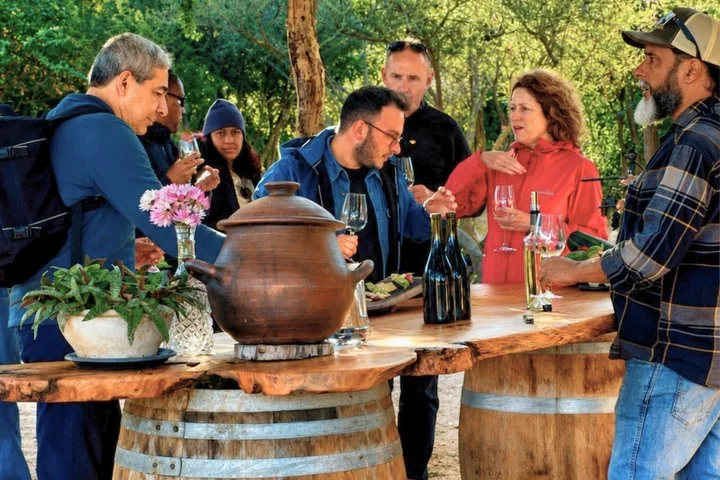
Four Casablanca Wineries: Emiliana, Bodegas RE, Casa del Molle, Tanino
- 4.8/5 (671 reviews)
- 10 hours
- Free cancellation
- Operated by Go2Chile Travel
Includes Admission at Emiliana Organic Vineyards · Admission at Bodegas RE · Admission at Casa del Molle
You'll choose your date and complete the booking on Viator. Free cancellation up to 24 hours before departure.
Quick answer: What wine is Chile famous for?
Chile is best known for Cabernet Sauvignon and Carménère, and it also makes internationally recognized Sauvignon Blanc, Chardonnay, Pinot Noir and Syrah.
Cabernet Sauvignon is closely tied to the Maipo Valley, while Carménère has become Chile’s signature red grape, especially in warmer regions such as Cachapoal and Colchagua.
For white wine lovers, Casablanca Valley and San Antonio/Leyda stand out, because their cool, Pacific-influenced climates suit Sauvignon Blanc and Chardonnay. These coastal regions also make excellent Pinot Noir. Wines of Chile, the national industry association, describes Casablanca as a leading white-wine region and Maipo as the main center for Cabernet Sauvignon.
The best Chilean wines at a glance
| Wine | Typical flavor | Best regions to explore | Best for |
|---|---|---|---|
| Sauvignon Blanc | Lime, grapefruit, herbs, green apple | Casablanca, San Antonio/Leyda | Crisp white wine lovers |
| Chardonnay | Citrus, peach, apple; sometimes vanilla | Casablanca, Limarí | Versatile whites, with or without oak |
| Pinot Noir | Cherry, raspberry, floral and earthy notes | Casablanca, Leyda, Malleco | Lighter, elegant reds |
| Carménère | Blackberry, plum, pepper, herbs | Cachapoal, Colchagua, Maipo | Smooth, spicy reds |
| Cabernet Sauvignon | Blackcurrant, dark cherry, cedar | Maipo, Colchagua, Aconcagua | Full-bodied classic reds |
| Syrah | Blackberry, black pepper, sometimes olive | Elqui, Limarí, Casablanca | Savory, structured reds |
| Merlot | Plum, cherry, chocolate | Maipo, Colchagua, Curicó | Soft, approachable reds |
| Carignan | Dark berries, herbs, refreshing acidity | Maule | Characterful, food-friendly reds |
| País | Red berries, earthy and rustic notes | Maule, Itata | Traditional and lighter reds |
| Riesling | Citrus, flowers, green apple | Bío-Bío, Malleco, Casablanca | Aromatic whites with fresh acidity |
These are typical traits, not fixed tasting notes. The vineyard, vintage, ripeness at harvest and the winemaker’s choices can change a wine a lot.
1. Sauvignon Blanc: Chile’s crisp coastal white
Wine style: light to medium-bodied white, high acidity, usually dry.
If you love refreshing white wine, start with Chilean Sauvignon Blanc. It is the wine that puts Casablanca Valley on most visitors’ lists. On a warm day a chilled glass tastes very fresh, with bright citrus and a clean, mouthwatering finish.
What does Chilean Sauvignon Blanc taste like?
Typical aromas and flavors include:
- Lime and grapefruit
- Green apple and crisp pear
- Gooseberry
- Fresh grass and herbs
- Passion fruit or tropical notes in riper examples
- A stony or slightly salty impression in some coastal wines
Most Chilean Sauvignon Blanc is dry, meaning it has little residual sugar. Its defining feature is usually acidity, the mouthwatering sensation that makes you want another sip, particularly with seafood.
Where is the best Sauvignon Blanc in Chile?
Casablanca Valley is one of Chile’s benchmark regions, with a strong cooling influence from the Pacific. San Antonio and Leyda are other excellent choices, and their coastal vineyards often make tense, aromatic wines with pronounced acidity.
The cold Humboldt Current brings cool air and morning fog to this part of the coast. The grapes ripen slowly and keep their freshness.
What food goes with Sauvignon Blanc?
Try it with:
- Fresh oysters or other shellfish
- Chilean ceviche
- Grilled fish with lemon
- Goat cheese
- Green salads
- Seafood empanadas
The high acidity works especially well with seafood, citrus and lighter dishes.
Where to taste Sauvignon Blanc in Casablanca Valley
Good wineries to look at include Casas del Bosque, Emiliana and Veramonte. For a proper comparison, ask for a tasting with two Sauvignon Blancs from different vineyards or made in different styles.
Our suggestion: if you taste only one white wine in Casablanca Valley, make it Sauvignon Blanc. It is the clearest introduction to the valley’s cool coastal character. Our Casablanca Valley guide covers the wineries, seasons and places to eat.
Other Experiences
Other experiences you might enjoy
More Casablanca Valley wine tours, each with its own page and booking link.

2. Chardonnay: from zesty and mineral to rich and creamy
Wine style: medium to full-bodied white, moderate to high acidity, usually dry.
Chardonnay has a reputation for being buttery and rich, but that is only part of the story. In Chile it can taste like two different wines, depending on where the grapes grow and how the winemaker handles them. A cool-climate Casablanca Chardonnay might be bright and citrusy, while a barrel-fermented one can have the rounder texture and toasty notes of classic oak-aged Chardonnay.
What does Chilean Chardonnay taste like?
Unoaked or lightly oaked examples may show:
- Lemon and green apple
- White peach
- Pear
- Subtle floral notes
- Fresh, crisp acidity
Oak-aged or richer styles can develop:
- Vanilla
- Toast
- Hazelnut
- Creamy or buttery flavors
- A fuller, rounder mouthfeel
The buttery character often comes from malolactic fermentation, while vanilla and toast usually come from oak. Not every Chardonnay goes through these steps, and a wine can be complex and very fresh without them.
Where is Chardonnay best in Chile?
Casablanca Valley makes both fresh and more textured Chardonnay. Farther north, Limarí Valley has built a strong name for Chardonnay, with cool coastal conditions and limestone in some vineyard soils. Wines of Chile lists Limarí among the country’s key Chardonnay regions.
What food goes with Chardonnay?
The best pairing depends on the style.
| Chardonnay style | Try it with |
|---|---|
| Crisp, unoaked | Ceviche, white fish, sushi |
| Lightly oaked | Grilled salmon, roast chicken |
| Rich, buttery | Creamy seafood, mushroom risotto |
| Mature, complex | Roasted poultry, richer fish dishes |
Where to taste Chardonnay in Casablanca Valley
Consider Casas del Bosque, Veramonte and Kingston Family Vineyards. Kingston makes small-lot Chardonnay alongside its Pinot Noir, Syrah and Sauvignon Blanc, which makes it a good place to compare styles.
Our suggestion: ask whether the Chardonnay was fermented or aged in oak. Tasting an unoaked or lightly oaked Chardonnay next to a barrel-aged one is one of the most useful exercises for a beginner.
3. Pinot Noir: the elegant red of Chile’s cooler valleys
Wine style: light to medium-bodied red, fresh acidity, generally lower tannins.
Not every red wine from Chile is big, dark and powerful, and Pinot Noir shows it. Made famous by Burgundy in France, this demanding grape has found a comfortable home in Chile’s cooler vineyards. The wines can be delicate, fragrant and refreshing, so Pinot Noir is a good choice if you do not usually enjoy heavy reds.
What does Chilean Pinot Noir taste like?
Typical characteristics include:
- Red cherry
- Raspberry
- Strawberry
- Rose petals or other floral notes
- Gentle spice
- Earthy or forest-floor aromas in some examples
Pinot Noir generally has lighter tannins than Cabernet Sauvignon, which is why it feels softer and less drying in the mouth.
Where is the best Pinot Noir in Chile?
Three regions are good to know:
- Casablanca Valley: one of the easiest Pinot Noir regions to visit, especially if you are staying in Santiago or Valparaíso.
- San Antonio/Leyda: known for vibrant cool-climate Pinot Noir, often with pronounced freshness.
- Bío-Bío and Malleco: cooler southern regions making more and more interesting Pinot Noir, often delicate and aromatic.
Wines of Chile names all three as suited to cool-climate varieties.
What food pairs with Pinot Noir?
Try it with:
- Roast chicken
- Salmon
- Mushroom risotto
- Duck
- Grilled vegetables
- Mild cheeses
Pinot Noir is versatile because it combines fruit, acidity and fairly gentle tannins.
Where to taste Pinot Noir in Casablanca Valley
Kingston Family Vineyards is one of the most interesting producers to visit. The estate has focused on Pinot Noir since it first planted, and it makes several Pinot Noirs from different sites and vineyard blocks, so you can taste how one grape changes within a single estate. Casas del Bosque also pours Pinot Noir in its tastings.
Our suggestion: if you like red wine but dislike heavy tannins, choose a Pinot Noir tasting, and compare two bottles from different vineyard sites instead of two unrelated grapes. If you would like a private day, the Private Casablanca Tour: Emiliana, William Cole & Casa del Bosque includes tastings at Emiliana and William Cole and a lunch stop at Casas del Bosque (the meal is paid separately), from $150 per person with 4.9 from 118 Viator reviews.
4. Carménère: Chile’s signature red wine
Wine style: medium to full-bodied red, moderate tannins, spicy and fruit-forward.
If you try one wine because you are in Chile, make it Carménère. This deep-colored red has become a national signature, with a history that stretches back to France.
For more than a century, Chilean growers farmed Carménère without knowing what it was, and many of the vines were thought to be Merlot. That changed in 1994, when the French ampelographer Jean-Michel Boursiquot identified the grape as Carménère, a variety from Bordeaux. The discovery gave Chile a distinctive place in the wine world, as Concha y Toro tells the story.
What does Carménère taste like?
Typical characteristics include:
- Blackberry and black cherry
- Ripe plum
- Red or green bell pepper
- Black pepper
- Dark chocolate
- Tobacco or smoky notes in some oak-aged examples
Carménère often has a smooth, rounded texture, with tannins gentler than those of many Cabernet Sauvignons. Some bottles have clear herbal notes, while others lean toward ripe fruit, chocolate and baking spice.
Where is the best Carménère in Chile?
Carménère does best in Chile’s warmer central valleys. Cachapoal Valley, especially around Peumo, is highly regarded for it. Colchagua Valley is another important region, with many established red-wine producers. Maipo also grows Carménère, although Cabernet Sauvignon remains its best-known grape.
What food pairs with Carménère?
Carménère is an excellent choice for:
- Grilled beef
- Slow-cooked lamb
- Empanadas de pino
- Roasted red peppers
- Barbecued vegetables
- Mushroom dishes
- Moderately spiced stews
Its herbal and peppery side makes it especially good with savory dishes.
Can you taste Carménère in Casablanca Valley?
Yes, often, with one distinction. Casablanca is not one of Chile’s main Carménère areas, and a winery may pour a Carménère made from grapes grown in another valley as part of a broader tasting. If locally grown grapes matter to you, check the region on the label.
Our suggestion: even if you come to Casablanca for Sauvignon Blanc and Pinot Noir, order a glass of Carménère somewhere on your Chile trip. It is a good introduction to the warmer side of Chilean wine.
5. Cabernet Sauvignon: Chile’s classic full-bodied red
Wine style: medium to full-bodied red, firm tannins, good aging potential.
Before Carménère became Chile’s best-known wine story, Cabernet Sauvignon had already built the country’s international reputation. It remains one of the safest choices if you enjoy structured red wine. The best bottles balance ripe dark fruit with acidity, tannins and the complexity oak aging can add.
What does Chilean Cabernet Sauvignon taste like?
Look for:
- Blackcurrant
- Black cherry
- Plum
- Cedar
- Tobacco
- Cocoa
- Mint or herbal notes in some wines
Young Cabernet Sauvignon can feel firm and drying, particularly next to Pinot Noir or Merlot. Premium bottles can develop more complex savory aromas as they age.
Where is Chilean Cabernet Sauvignon best?
Maipo Valley is the classic region, particularly the vineyards closer to the Andes. Colchagua, Cachapoal and Aconcagua also make important Cabernet Sauvignon. Maipo’s warm, sunny days and cooler nights give concentrated yet balanced reds.
What food pairs with Cabernet Sauvignon?
Cabernet works well with:
- Grilled steak
- Lamb
- Beef ribs
- Hard cheeses
- Roast meats
- Mushroom-based dishes
Its tannins and structure make it a natural partner for rich, protein-heavy meals.
Where to taste Cabernet Sauvignon near Santiago
If you mainly want Cabernet Sauvignon, Maipo Valley usually suits you better than Casablanca. Well-known Maipo producers with visitor programs include Concha y Toro and Santa Rita. Our Casablanca vs Maipo Valley comparison sets out how the two day trips differ in wines, distance and tours.
Our suggestion: with two wine-tasting days in Santiago, spend one in Casablanca for Sauvignon Blanc, Chardonnay and Pinot Noir and one in Maipo for Cabernet Sauvignon and other structured reds.
6. Syrah: spicy reds with several personalities
Wine style: medium to full-bodied red, peppery, fruit-forward or savory.
Syrah is one of the most interesting grapes to explore in Chile because it changes so much with climate. In warmer regions it can develop generous dark fruit and a powerful structure. In cooler vineyards it can be more peppery, floral and savory, with fresher acidity.
What does Chilean Syrah taste like?
Common characteristics include:
- Blackberry
- Blueberry
- Black pepper
- Violet
- Olive
- Smoked meat or other savory notes
Not every Syrah tastes alike. Some are rich and plush; others are leaner, spicier and more restrained.
Where to try Syrah in Chile
Interesting regions include:
- Elqui Valley: northern vineyards with unusual growing conditions.
- Limarí Valley: known for Syrah as well as Chardonnay.
- San Antonio Valley: particularly interesting for cooler-climate styles.
- Casablanca Valley: home to some producers specializing in coastal Syrah.
Kingston Family Vineyards is a good place to try it. The winery says Syrah is one of the varieties best suited to its granite soils and cool vineyards.
What food pairs with Syrah?
Try grilled lamb, beef, barbecue, roasted mushrooms or pepper-seasoned dishes.
Our suggestion: for a memorable tasting, compare a cool-climate Casablanca Syrah with a Syrah from a warmer Chilean valley.
7. Merlot: smooth, approachable and easy to enjoy
Merlot is sometimes overlooked among Chile’s more fashionable grapes, but it remains a useful introduction to red wine. It is generally softer than Cabernet Sauvignon, although quality and style vary.
What does Chilean Merlot taste like?
Common notes include ripe plum, red and black cherry, blackberry and chocolate, sometimes with a little herb or cedar. Its tannins are often fairly gentle, so it suits you if Cabernet feels too powerful.
Where to try Merlot
Merlot grows in several regions, including Maipo, Colchagua and Curicó, with some plantings in Casablanca. It pairs well with roast chicken, pasta with tomato sauce, grilled pork and semi-hard cheeses.
Our suggestion: if you are new to red wine, taste Merlot next to Carménère. You will start to tell Merlot’s softer fruit from Carménère’s herbal, peppery character.
8. Carignan: old-vine character from Maule
Carignan may not be the first wine you meet in Chile, but it is a rewarding find if you are interested in traditional vineyards and smaller producers. The grape is closely tied to the Maule Valley, where some old, dry-farmed vineyards are now an important part of Chile’s wine heritage.
Carignan often makes wines with dark berry flavors, fresh acidity, firm tannins and savory herbal notes. Wines of Chile highlights Maule’s old vineyards and VIGNO, the producers’ group for Carignan from the region.
Look for Carignan if you enjoy characterful reds with freshness, especially with grilled meats, sausages or smoky dishes. It is a reminder that Chilean wine is not only about internationally famous grapes.
9. País: one of Chile’s historic grape varieties
País tells a very different story from Cabernet Sauvignon or Carménère. It is one of Chile’s historic wine grapes, tied to traditional winemaking and long-established vineyards, especially in Maule and Itata. For many years it went mostly into simple everyday wine. More recently, producers have been making lighter, more expressive styles from it.
What does País taste like?
Depending on how it is made, País can offer:
- Strawberry and raspberry
- Red cherry
- Floral notes
- Rustic or earthy character
- Gentle tannins and refreshing acidity
It appeals if you enjoy lighter red wines served slightly cool. País also goes into traditional Chilean styles such as pipeño, although not every pipeño is made only from País.
Where to try it
Look in Maule and Itata, particularly at small producers working with old vineyards.
Our suggestion: País is not essential on a first Casablanca Valley tasting, but look for it if your interest extends to Chile’s wine history.
10. Riesling: a lesser-known Chilean white
Chile is not famous for Riesling, which makes a good bottle a satisfying find. The grape does best in cool conditions and grows in small quantities in Casablanca, Bío-Bío and other southern regions.
Typical notes include lime, green apple, peach and flowers, often with pronounced acidity. Riesling can be dry, off-dry or sweet, so do not judge the sweetness from the grape name alone. Depending on sweetness, it pairs well with Asian-inspired dishes, seafood and spicy food. In Chile it is a specialist find, not a standard pour on a winery tour.
Beyond the main grapes: other Chilean wines to know
Chile’s range goes beyond these ten varieties.
- Cinsault grows in some old-vine vineyards in Itata and can make fragrant, lighter reds.
- Moscatel de Alejandría has a long history in southern Chile and appears in traditional and contemporary wines.
- Cabernet Franc suits you if you enjoy fragrant reds with herbal notes.
- Sémillon has drawn renewed interest from producers working with old vineyards and less common white styles.
- Malbec is better known from Argentina, but Chile makes good examples too.
Do not overlook Chilean sparkling wine either. Casablanca, Limarí and Leyda are among the cool-climate areas making sparkling wine by several methods, including traditional bottle fermentation.
Chile’s best wine regions: Which should you visit?
Chile’s geography is a big part of why its wine is so varied. The country runs down the western edge of South America, with the Pacific to the west and the Andes to the east. The wine regions are not simply split into north and south: coastal vineyards, warmer inland valleys and higher sites can have quite different conditions within the same broad area.
| Wine region | Most interesting wines | Main reason to visit |
|---|---|---|
| Casablanca | Sauvignon Blanc, Chardonnay, Pinot Noir, Syrah | Cool-climate tasting and vineyard restaurants |
| San Antonio / Leyda | Sauvignon Blanc, Pinot Noir, Chardonnay | Coastal styles with refreshing acidity |
| Maipo | Cabernet Sauvignon, Carménère, Merlot | Classic Chilean reds near Santiago |
| Colchagua | Carménère, Cabernet Sauvignon, Syrah | Established premium red-wine estates |
| Cachapoal | Carménère, Cabernet Sauvignon | Deeply flavored reds and Peumo wines |
| Limarí | Chardonnay, Syrah, Pinot Noir | Distinctive northern coastal vineyards |
| Maule | Carignan, País, Cabernet Sauvignon | Old vines and traditional winemaking |
| Itata | País, Cinsault, Moscatel | Heritage vineyards and smaller producers |
| Bío-Bío / Malleco | Pinot Noir, Chardonnay, Riesling | Cool southern wine growing |
The regional specialties follow Wines of Chile’s region guide, although many wineries make wine from grapes grown in more than one valley. Our Chile wine country guide covers the regions you can visit from Santiago in more detail.
Casablanca vs Maipo: Which is better for wine tasting?
This is one of the most useful decisions to make when you plan a wine tour from Santiago.
Choose Casablanca Valley if you:
- Prefer white wines or lighter reds.
- Enjoy Sauvignon Blanc, Chardonnay and Pinot Noir.
- Want a vineyard lunch in a relaxed countryside setting.
- Are traveling between Santiago and Valparaíso.
- Want to learn how the Pacific shapes wine.
Choose Maipo Valley if you:
- Prefer Cabernet Sauvignon and other fuller-bodied reds.
- Want to visit historic Chilean wineries.
- Are especially interested in classic Bordeaux-style wine.
- Want a day of red wines.
Neither is better across the board; it comes down to what you like to drink. For tours to each, see our best wine tours from Santiago guide.
Which Chilean wine should you try first?
Choosing is easier when you start from flavors you already enjoy.
| If you usually enjoy… | Try this Chilean wine | Why |
|---|---|---|
| New Zealand Sauvignon Blanc | Casablanca Sauvignon Blanc | Bright citrus and fresh herbal character |
| Chablis | Cool-climate Chardonnay | Freshness, acidity and restrained fruit |
| Rich Californian Chardonnay | Oak-aged Chilean Chardonnay | Creamier texture and oak complexity |
| Burgundy Pinot Noir | Casablanca or Leyda Pinot Noir | Red fruit, freshness and elegance |
| Argentine Malbec | Carménère or Syrah | Ripe fruit and savory spice |
| Bordeaux Cabernet | Maipo Cabernet Sauvignon | Tannins, dark fruit and structure |
| Smooth Merlot | Chilean Merlot | Soft texture and approachable fruit |
| Light Beaujolais | País or lighter Cinsault | Fragrant red fruit and easy drinking |
| Northern Rhône Syrah | Cool-climate Chilean Syrah | Pepper, floral notes and savory depth |
These compare broad styles; the wines will not taste identical.
If you only have time for three wines
I would choose Casablanca Sauvignon Blanc, Casablanca Pinot Noir and a Carménère from Cachapoal or Colchagua. Together they show three sides of Chilean wine: a fresh coastal white, an elegant cool-climate red and the country’s signature grape. If you prefer full-bodied reds, swap the Pinot Noir for a Maipo Cabernet Sauvignon.
Best wineries to explore Chilean wine varieties in Casablanca Valley
Casablanca’s big advantage is that several well-known producers sit within an easy day-trip area. These four are useful for a wine-focused day. Our best Casablanca Valley wineries page covers ten, with tasting prices.
Casas del Bosque
Best for: an easy introduction to cool-climate wines.
A good winery for Casablanca’s main grapes, especially if you want a tasting and a vineyard lunch in one place. Check the current tasting menu for the wines poured. Our Casas del Bosque guide lists every tasting with its price, and the official website takes bookings.
Kingston Family Vineyards
Best for: Pinot Noir and cool-climate Syrah.
A good choice if you want to see how vineyard site and winemaking change a single grape. The winery makes several Pinot Noirs and other small-production wines. No tour on this site stops here; book with the winery on its official website.
Emiliana Organic Vineyards
Best for: organic and biodynamic farming.
Emiliana suits you if how wine is grown interests you as much as how it tastes. Its visits cover vineyard soils, grape varieties, climate and farming. See the official tours and tastings or our Emiliana winery guide.
Veramonte
Best for: vineyard farming and cool-climate wines.
Another established Casablanca winery, good for a broad introduction to the valley’s wines. Confirm the current visitor program and wines before you go; our Veramonte visitor guide covers the tastings, and the Veramonte winery tours page lists the tours that stop there.
Treat these as starting points for planning, not confirmed tasting slots. Winery programs, the wines poured and entry conditions can change.
Our pick for a day with lunch: the Casablanca Valley 4 Vineyards tour pours at Emiliana, Bodegas RE and Casa Valle Viñamar, whose sparkling wines make a change from still whites, and stops at Tanino for an à la carte lunch at your own cost, from $149 with 4.9 from 148 Viator reviews. If you want lunch included in the price, the Casas del Bosque Winery Tour with Tasting and Tanino Lunch includes a tasting and a three-course lunch at Tanino, from $130 with 4.1 from 19 GetYourGuide reviews, still a small count.
How to plan a Chilean wine tasting
A tasting is more fun when you know what to expect, especially on your first winery visit; our guide to wine tasting in Casablanca Valley covers formats and prices. You do not need much wine knowledge, and a good guide is happy to explain the grapes, the regions and how the wine is made.
What happens at a typical winery tasting?
A guided visit may include a vineyard walk, an introduction to grape growing, a look at the production area or cellar, and a structured tasting. Some also include cheese boards, food pairings or lunch. Not every tasting includes a vineyard or cellar tour, though, and a tasting-only visit may stay in the tasting room.
How many wines will you taste?
Many structured tastings pour three to five wines, although shorter flights and longer premium tastings exist. A tasting often moves from fresh whites to fuller whites, then lighter reds and finally more powerful reds.
A good beginner’s tasting flight
If your main goal is to understand Chilean wine, try this order:
| Order | Wine | What to notice |
|---|---|---|
| 1 | Casablanca Sauvignon Blanc | Citrus aromas, acidity, freshness |
| 2 | Casablanca Chardonnay | Texture, fruit and any oak influence |
| 3 | Casablanca Pinot Noir | Red fruit and lighter tannins |
| 4 | Cool-climate Syrah | Pepper, dark fruit and structure |
| 5 | Carménère or Cabernet Sauvignon | More body, darker flavors and tannins |
The last wine may come from outside Casablanca, so check the producer’s list. This order makes the differences in acidity, body, tannins and winemaking easier to pick out.
Five things to notice when tasting wine
- Color. Look at the wine against a pale background. Pinot Noir is often lighter in color than Cabernet Sauvignon, although color alone says nothing about quality.
- Aroma. Smell before you taste. Try to name broad families such as citrus, tropical fruit, red berries, black fruit, herbs or spice; you do not need to recognize every aroma.
- Acidity. Notice whether the wine makes your mouth water. Sauvignon Blanc is usually an obvious example.
- Tannins. In red wine, tannins feel drying or slightly grippy, particularly around the gums. Cabernet Sauvignon is generally more tannic than Pinot Noir.
- Finish. Notice how long the flavors last after you swallow or spit. A long finish can be one sign of complexity, but it is not the only measure of quality.
Questions to ask the tasting guide
- Were the grapes grown at this winery or bought from another region?
- Is the wine fermented or aged in oak?
- How does the coastal climate affect this grape?
- What makes this wine different from the same grape grown elsewhere?
- Which vintage are we tasting?
- Is this wine sold only at the winery?
These questions lead to a far more interesting visit than asking which wine costs the most.
Wine and food pairings: What to eat with Chilean wine
Chile’s mix of Pacific seafood, meat dishes and fresh farm produce gives you plenty of food-and-wine pairings to try. You do not need complicated rules: lighter food often works with lighter wine, and richer dishes can take fuller reds. For lunch spots at the wineries themselves, see our guide to Casablanca Valley winery restaurants.
Seven pairings to try
| Chilean food | Wine to try | Why it works |
|---|---|---|
| Ceviche | Sauvignon Blanc | Refreshing acidity matches citrus and seafood |
| Machas a la parmesana | Chardonnay | Texture and acidity balance the rich shellfish |
| Grilled salmon | Pinot Noir | Freshness and gentle tannins suit richer fish |
| Empanadas de pino | Carménère | Savory meat and seasoning work with spice and fruit |
| Pastel de choclo | Carménère or Merlot | Ripe fruit balances the dish’s sweet-savory character |
| Grilled beef | Cabernet Sauvignon | Tannins suit rich meat |
| Mushroom risotto | Pinot Noir or Chardonnay | Earthy flavors work with an elegant red or a textured white |
Treat these as starting points. Seasoning, sauces and the style of the wine matter as much as the main ingredient.
Is Chilean wine good with seafood?
Yes, very. Casablanca and San Antonio are especially good regions for seafood wines. Sauvignon Blanc goes well with many raw and lightly cooked seafood dishes, while Chardonnay often suits richer preparations. If you prefer red with fish, a light Pinot Noir can work well.
When is the best time to visit Chilean wine country?
Chile is in the Southern Hemisphere, so its seasons are the reverse of Europe’s and North America’s. The harvest generally runs from late summer into autumn, with exact timing varying by region, grape and weather.
| Season | Months | What to expect |
|---|---|---|
| Summer | December–February | Warm afternoons, busy vineyard tourism, popular outdoor lunches |
| Harvest | Roughly February–April | Grape picking, winemaking and some harvest festivals |
| Autumn | April–May | Vines changing color, quieter countryside |
| Winter | June–August | Cooler, wetter weather in central Chile and fewer outdoor activities |
| Spring | September–November | New vine growth, pleasant touring weather and green landscapes |
Casablanca’s cooler climate means grapes there can ripen later than in warmer inland valleys. If pleasant weather and vineyard views come first, spring through early autumn (September to April) suits you best.
If you want to see the harvest, check the dates of specific winery events, not only the month. The 2026 Casablanca harvest festival, for example, ran on April 11–12; dates change every year.
Visiting Casablanca Valley from Santiago or Valparaíso
Casablanca Valley is one of Chile’s easiest wine regions to visit on a day trip. The town of Casablanca sits on Ruta 68, the main road from Santiago to the Pacific coast. Chile’s tourism board, Chile Travel, gives these approximate distances:
| Starting point | Approximate distance | Typical driving time |
|---|---|---|
| Santiago | 80 km | Around 1–1.5 hours |
| Valparaíso | 40 km | Around 40–50 minutes |
| Viña del Mar | Around 45–55 km | Around 45–60 minutes |
Journey times depend on where you start, which winery you visit and traffic. Our guide on how to get to Casablanca Valley from Santiago compares car, bus and tour.
Is a guided wine tour worth it?
For most visitors tasting several wines, yes. A tour solves the problem of driving after drinking, and a good one handles the winery bookings and transfers. It also gets you to estates that are hard to reach without a car.
Can you visit Casablanca wineries independently?
Yes, with some practical limits. Several estates sit on highways or rural roads, not within walking distance of town. Buses reach Casablanca but do not take you door to door between wineries. If you plan to taste, a booked driver or a guided tour is usually more practical than a rental car. Chile Travel also advises booking wineries ahead and arranging safe transport when you drink. Our self-drive vs wine tour comparison works through the costs.
Can you visit two wineries in one day?
Yes. Two wineries, with lunch at one of them, is often the most comfortable pace. Three can work if the estates are close together and the tastings are timed carefully. A day might include a morning white-wine tasting, a vineyard lunch and an afternoon Pinot Noir or Syrah tasting. Squeezing four or five full visits into one day turns a relaxed outing into a race between appointments.
What to check before booking a wine tour
Check whether the tour includes hotel pickup, the names of the wineries, tasting fees, lunch, group size and the guide’s language. Also ask whether the wineries are guaranteed or can be swapped. A tour sold as a Casablanca wine day does not include every famous winery in the valley.
Our pick for a private day: the Private Casablanca Valley Wine Tour: Bodegas RE and Emiliana includes pickup, a four-wine tasting at Bodegas RE with a board of bread, olives and cheese, and a five-wine tasting at Emiliana, from $275 per person with 4.8 from 16 Viator reviews, a small count so far. Lunch is extra. Our private Casablanca Valley wine tours page compares the other private options.
Frequently asked questions about Chilean wine
Is Chilean wine good quality?
Yes. Chile makes wine at every price level, from everyday bottles to highly regarded premium wines. Quality varies by producer and bottle, as it does anywhere. The country’s range of climates lets wineries grow a wide range of grapes.
Is Chile better known for red or white wine?
Chile is best known internationally for reds such as Cabernet Sauvignon and Carménère. Its cool-climate whites, particularly Sauvignon Blanc and Chardonnay from the coastal regions, are important specialties too.
What is Chile’s national wine grape?
Carménère is usually called Chile’s signature grape. It came from France but became closely tied to Chile after it was correctly identified in Chilean vineyards in 1994.
What is the best Chilean white wine?
For a crisp, aromatic white, choose a Casablanca or Leyda Sauvignon Blanc. For something more textured, try a Chardonnay from Casablanca or Limarí. The right pick depends on whether you prefer bright acidity, fuller body or oak flavors.
What is the best Chilean red wine for beginners?
Merlot and Pinot Noir are approachable starting points because their tannins are generally softer. Carménère is another good option if you enjoy fuller fruit and some spice.
What is the difference between Carménère and Cabernet Sauvignon?
Carménère often has smoother tannins and distinctive herbal, peppery flavors. Cabernet Sauvignon usually has firmer tannins, more structure and classic blackcurrant and cedar notes. Both vary a lot by producer and region.
Is Casablanca Valley good for red wine?
Yes. Casablanca is best known for whites, but it also makes notable Pinot Noir and cool-climate Syrah. For fuller Cabernet Sauvignon and Carménère, the warmer inland regions are more typical.
Is Chilean Sauvignon Blanc sweet?
Most Chilean Sauvignon Blanc is dry. Its tropical fruit or citrus aromas can make it seem sweet, but fruity is not the same as sweet.
Does Chardonnay always taste buttery?
No. Many Chilean Chardonnays, especially cool-climate ones made with little or no oak, are crisp and citrusy. A buttery character usually comes from malolactic fermentation.
Are organic Chilean wines worth trying?
Yes, particularly if vineyard farming and sustainability interest you. Organic certification covers how the grapes are farmed and the wine is made; it does not by itself make a wine taste better or worse. Emiliana in Casablanca is the producer to visit for organic and biodynamic wine.
What temperature should Chilean wine be served at?
As a rough guide, serve Sauvignon Blanc and lighter whites at about 7–10°C, fuller Chardonnay at 10–13°C, Pinot Noir at 12–15°C and fuller reds at 15–18°C. Very cold wine hides its aroma, and red wine served too warm tastes more of alcohol.
Can you taste wine in Casablanca Valley without booking a tour?
Some wineries sell bottles or offer short tasting-room visits without a booking, but many guided tastings need a reservation. Check each winery’s current booking rules.
Which Chilean wines to taste first
For white wine, start with Sauvignon Blanc and Chardonnay from Casablanca Valley. For elegant reds, try Pinot Noir from Casablanca or Leyda. For classic fuller reds, look to Maipo Cabernet Sauvignon and Carménère from Cachapoal or Colchagua. If you already know those, try something less common: cool-climate Syrah, old-vine Carignan or a traditional País from southern Chile.
You do not need to visit every region to taste the differences. One well-planned Casablanca Valley day can show you several styles, tasted in the vineyards where the grapes grow. Compare the tours in which Casablanca Valley wine tour is right for you, see the best Casablanca Valley wineries, or check the tours with a meal in Casablanca wine tours with lunch, because schedules and inclusions change.
Sources and further reading
- Wines of Chile: winegrowing regions, for grape varieties, regional climates and wine styles.
- Wines of Chile: wine regions map, for regional plantings and wineries.
- Chile Travel: Casablanca Valley, for distances and access.
- Chile Travel: wines and nature in the Casablanca Valley, for day-trip advice.
- Kingston Family Vineyards: winemaking, for its Pinot Noir and Syrah.
- Emiliana: tours and tastings, for organic vineyard visits.
- Concha y Toro: the history of Carménère, for the grape’s rediscovery.
Spend the Day in the Vineyards
Free cancellation up to 24 hours before. Four Casablanca Wineries: Emiliana, Bodegas RE, Casa del Molle, Tanino from $139 per person.
Check Availability & Book